

The Invisible Confluence
How a forgotten county on the Qinghai-Tibet Plateau turned three ordinary assets into an irreplaceable origin

Most cities announce their value. They build towers. They host events. They brand themselves into existence.
Huangnan does none of this.
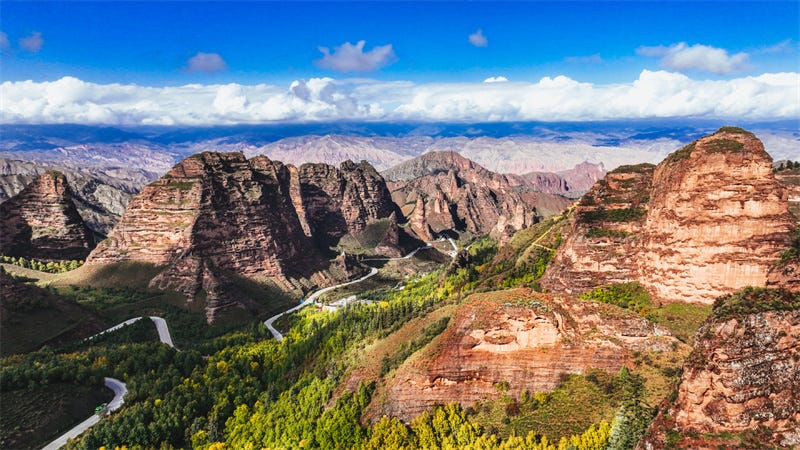
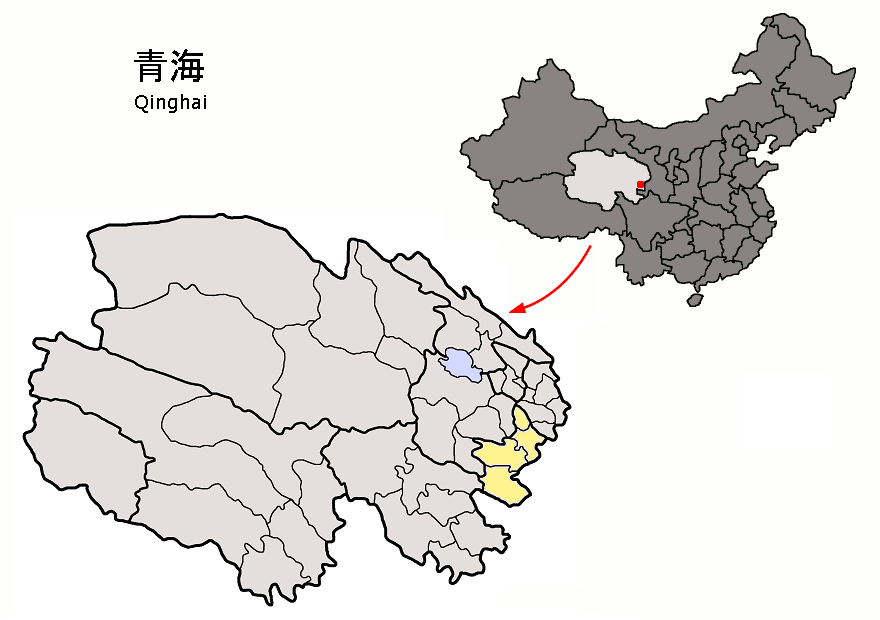
It sits in the Yellow River gorge, unremarkable to the passing eye. No skyline. No global brand. No tourist trail. No special economic zone. Just a county seat in a Tibetan autonomous prefecture, doing what county seats do: administering, surviving, waiting.
And yet, something here refuses to be ignored.
Not because of what was built. The Lijiaxia Dam is impressive, but dams are built everywhere. The highway corridor is useful, but corridors are rerouted. The cultural designation is strategic, but designations shift with policy. These explain why Huangnan is useful. They do not explain why Huangnan is irreplaceable.
Irreplaceability does not announce itself.
It hides in plain sight. In the ground. In the water. In the specific angle of sunlight hitting a specific valley at a specific altitude. In the confluence of three physical assets that exist nowhere else in combination: geothermal water with a unique mineral profile, alluvial soil deposited by the Yellow River over millennia, and a microclimate that cannot be engineered.
Each asset alone is ordinary. Hot springs exist elsewhere. River valleys exist elsewhere. High-altitude climates exist elsewhere. But this specific convergence exists only here.
The paradox is this: Huangnan looks like a pass-through because its most valuable assets are invisible to the standard economic lens. It has no product because no one has yet asked what happens when you combine all three. It has no brand because no one has yet certified what only this confluence can produce.
But the assets are patient. They do not need the state’s permission to exist. They only need someone to recognize that a confluence is not a coincidence, it is a monopoly waiting to be productized.
Huangnan is not the city the state built. It is the city the ground already prepared.
And if you can read the ground, you will see what everyone else has missed.
The Historical System
Before Huangnan became a confluence, it was a passage.
The Yellow River did not stop here. It carved through the gorges, carrying silt and momentum toward the lowlands. The valley provided enough to survive but not enough to accumulate. Pastoralists moved through with their herds. Traders passed along the route between Xining and the Tibetan plateau. Monasteries established foothills, but their economy was spiritual, not material.
This was not a city of production. It was a city of movement. A place people crossed, not a place they settled.
The original economic model was not designed for prosperity. It was designed for survival.
Huangnan’s pre-1949 economy rested on three fragile pillars: subsistence agriculture in the alluvial pockets, pastoralism on the marginal grasslands, and monastic religious authority as the primary social institution. The agricultural system was constrained by short growing seasons and primitive techniques. In 1949, before liberation, a significant portion of farming households were tenant farmers, and the region’s industrial base consisted of only 120 handicraft workshops with outdated production methods.1
The transportation network was virtually nonexistent, only a 90 kilometer narrow, winding road from Xunhua to Tongren, barely passable by animal drawn vehicles, with long distance transport relying entirely on animal power. Postal service was limited to two agencies in Tongren and one post in Kangyang, while state linked commercial monopolies like Dexinghai crowded out private trade.
This was not an economy. It was an absence of one.
The system that sustained Huangnan was never designed to generate surplus. It was designed to prevent collapse.
Three constraints locked the region in place:
First, geographic isolation. The Yellow River gorges made access difficult. The roads were seasonal. The passes closed in winter. The region was connected to nothing and dependent on nothing, which meant it was also relevant to nothing.
Second, agricultural fragility. The growing season was short. The soil was alluvial but thin. The crops were subsistence level barley, not exportable surplus. No cash crop. No trade leverage.
Third, institutional inertia. The region was governed through a hybrid of Qing dynasty administrative structures, monastic authority and tribal chieftainship; a system ill suited to capture the value of modernization. Even in the early 1950s, many areas were still under the influence of the thousand household feudal system, a legacy of both Qing governance and local power structures that had persisted for centuries.2
The region’s political geography remained fragmented; it was not until 1952 that the Communist Party established the Jianzha District Work Committee and not until June 1953 that Jianzha County was formally established, having been carved out of Guide County.3 Three months later, in September 1953, the State Council approved the establishment of the Huangnan Tibetan Autonomous Region, formally inaugurated on December 22 of that year.4 Only then did the territory begin to take its modern form as an administrative unit.
The problem was not that the system was broken. The problem was that it had never been built to work.
What eventually broke was the assumption that survival was enough.
By the 1950s, the state’s project of consolidation and development rendered Huangnan’s marginality visible. The question was no longer How do we survive here? but Why does this place exist at all?
The answer, for decades, was: it exists because the state needs it to.
The state built the dam. It built the highway. It built the administrative apparatus. But these were external impositions, not internal capabilities. They made Huangnan useful, but they did not make it sovereign.
What survived the disruption?
Discovery
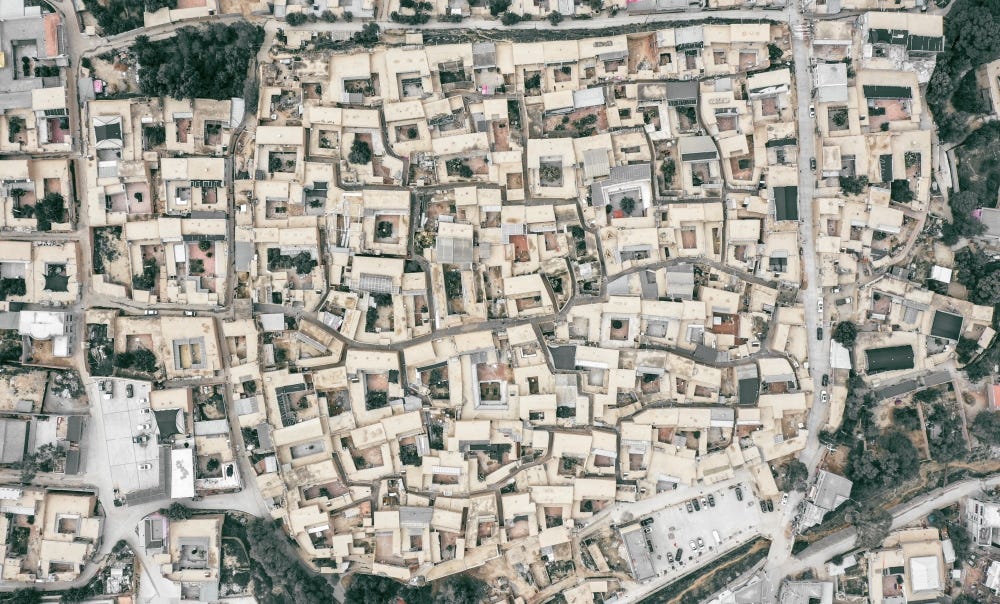
What survived was the ground itself.
The alluvial soil continued to regenerate with each flood cycle. The geothermal water continued to flow at its constant temperature. The microclimate continued to produce its specific combination of sun, altitude, and moisture.
The state built the dam because the gorge was useful. But the gorge existed before the dam and will exist after it. The dam is a visitor. The confluence is permanent.
This is the foundation upon which sovereignty can be built; not on what the state imposed, but on what the state found already there.
While the state built dams and highways, while the administrative apparatus consolidated and reconsolidated, while the pastoral economy faded and the subsistence model proved its limits; three physical assets continued to exist, unnoticed, unmeasured, unproductised.
First, the geothermal water.
Huangnan sits on a geological foundation that most economic assessments ignore. The region’s hot springs are not merely recreational curiosities. They are evidence of a subsurface thermal system; a specific mineral composition, a constant temperature, a flow rate that does not fluctuate with the seasons. China is rich in geothermal resources, with more than 2,000 hot springs discovered across the country, but the majority are concentrated in specific zones.5 Huangnan’s position, at the intersection of geological fault lines, produces a thermal profile that is not merely warm, it is chemically distinct. The specific mineral composition of these springs is a function of the underlying geology and that geology cannot be moved.
Second, the alluvial soil.
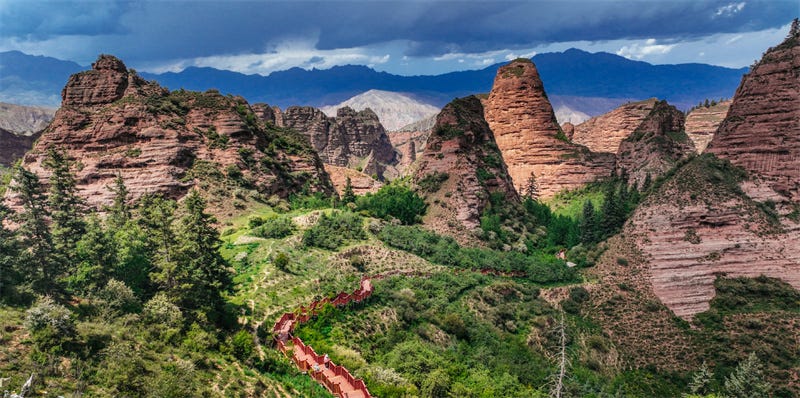
The Yellow River has been depositing sediment in these gorges for millennia. The result is a soil profile that is neither purely loess nor purely river alluvium; it is a specific blend, created by the intersection of the river’s flow, the gorge’s topography, and the region’s erosion patterns. This soil is not merely fertile. It is specific. It produces crops with distinct characteristics. The region has long been known as a home of fruits and melons, a small Jiangnan on the plateau.6 The alluvial deposits that make this possible are the product of a specific confluence that exists nowhere else.
Third, the altitude-microclimate.
Huangnan occupies a transitional zone between the Loess Plateau) and the Qinghai-Tibet Plateau. The altitude ranges from 1,960 meters at the lowest point to 4,614 meters at the highest.7 This extreme vertical variation creates microclimates that cannot be engineered: specific temperature swings, specific sun exposure, specific humidity patterns. The region is one of the warmest in Qinghai, with annual average temperatures of 7.8°C and 2650-2900 hours of sunshine annually.8 The growing season is extended by these conditions; evidenced by the successful cultivation of 233 Hectares of winter wheat, which remains green and thriving well into November.9 The ability to grow out of season crops in a high altitude environment is not a product of technology; it is a product of the specific confluence of altitude, sun and water.
Each of these assets alone is not remarkable. Hot springs exist elsewhere. Alluvial soil exists elsewhere. High altitude microclimates exist elsewhere.
But this specific combination exists only here.
Who recognized the new potential first?
The recognition came from the ground itself; from the farmers who noticed that winter wheat stayed green, from the villagers who understood that the soil produced unique fruit, from the local officials who began to see that the confluence of assets was not a coincidence but a foundation.
The modern recognition is visible in the shift toward productization: the development of economic forests in the region, with 12.22 Hectares of artificial economic forest producing fruits and spices, projected to generate over 5 million yuan annually.10 The government has begun to take notice, designating villages rural revitalization pilot villages, leveraging the region’s unique combination of low altitude, long frost free periods (184 days) and fertile alluvial soil.11
But the recognition is not yet complete. The assets remain underexploited; used for subsistence, for local consumption, for scattered tourism, but not yet productized as a monopoly.
Converting recognition into irreplaceability?
Activation

Recognition is not enough. Discovery without activation is just an observation.
We need to look at what mechanism converted Huangnan’s confluence of assets into irreplaceability? It is a systematic productisation of the confluence itself; building the institutional, physical, and certification infrastructure that locks the confluence into a permanent monopoly.
Huangnan activated its confluence through four interlocking mechanisms, each building on the last, each strengthening the others, each impossible without the underlying geology that cannot be moved.
The Geothermal-Alluvial Greenhouse System
The first mechanism was the deliberate exploitation of the geothermal-alluvial confluence to extend growing seasons and create out of season production.
Huangnan’s winter wheat is the most visible evidence. In a region where winter kills most cash crops, the combination of geothermal warmth, alluvial soil retention and microclimate moderation allows 233 Hectares of winter wheat to remain green and thriving well into November.12 The average yield reaches 6990 kilograms per Hectare, with the planting window extending into September and October; a growing cycle impossible elsewhere in Qinghai.
The mechanism scales beyond wheat. By leveraging the same confluence, the region has built 787 sunlight energy saving greenhouses, cultivating 36 varieties of specialty crops including strawberries, mushrooms, and tropical fruits such as bananas and dragon fruit.13 The southern fruits grown in the north project has successfully flowered and borne fruit across 11 varieties, generating 2.3 million yuan in 2024 alone.14
This is not greenhouse technology. It is confluence monetization. The greenhouses are the vessel; the geothermal-alluvial-microclimate confluence is the irreplaceable input. No competitor can replicate the underlying physical conditions that make out-of-season, high altitude production viable.
The Cold Water Aquaculture Stack
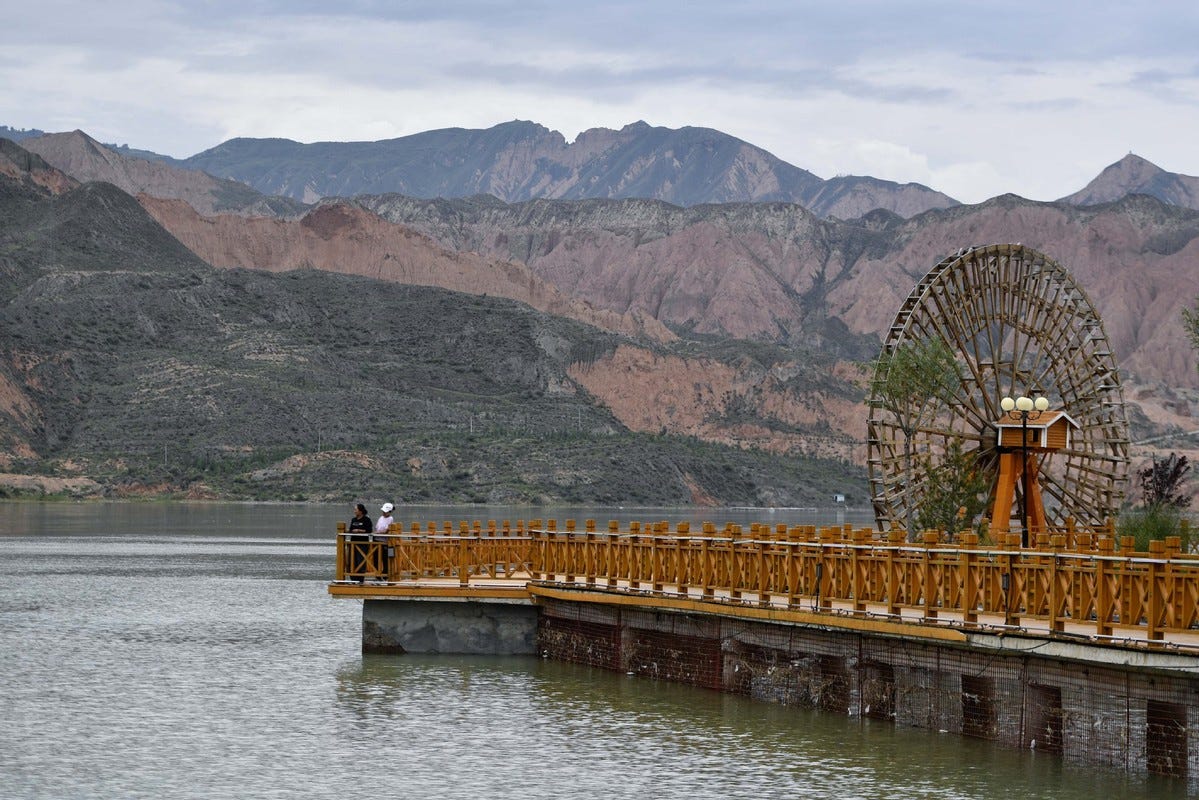
The second mechanism productised the water confluence; the specific temperature and purity of the Yellow River’s flow through the gorges.
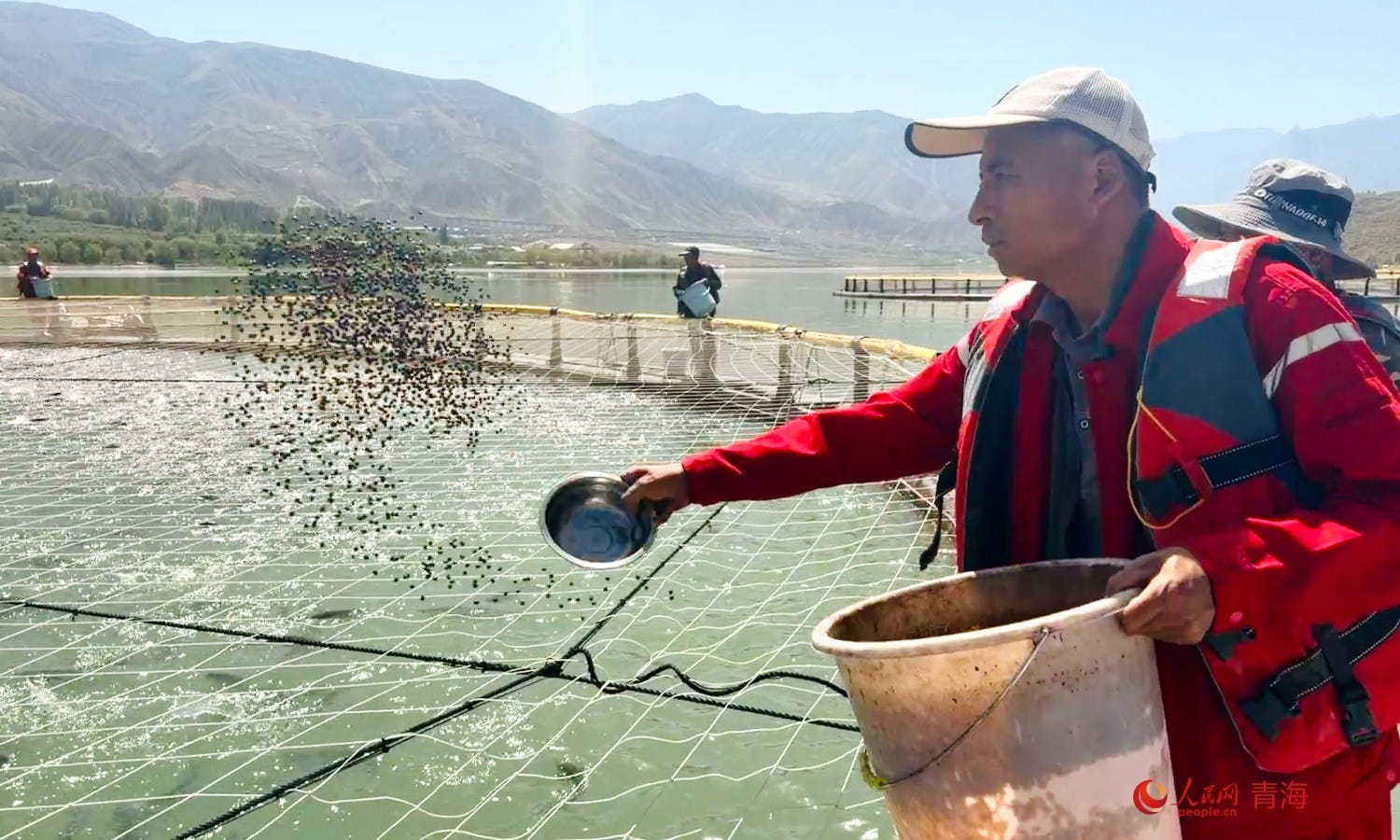
The Qinghai-Zhejiang joint venture built a cold water aquaculture system that now operates 181 net cages, holding over 1.06 million triploid rainbow trout, with 250,000 reaching marketable size.15, The annual production reached 810 tons by late 2025, generating 40.5 million yuan in output value.16 The operation was selected for the National Agricultural Industry Strong Town Creation List.17
The dependency mechanism is physical: the trout require water temperatures of 12–18°C, which the Yellow River’s flow through the gorges provides year round.18 The water quality is maintained at Class II standards for the national control section and Class III for the provincial section.19 The combination of stable temperature, water purity and flow volume cannot be replicated elsewhere. The product; high quality cold water fish sold to premium markets in Dalian, Hangzhou and Beijing is locked to this location.20
The certification infrastructure reinforces this lock: the region’s organic certification covers 48,667 Hectares of grassland, 39,000 Tibetan sheep, and 13,000 yaks.21 Agricultural products including chili, tomatoes, and 11 other items have received National A-grade Green Food Certification. Jianzha Goat, Jianzha Pepper and Jianzha Buckwheat have obtained national geographical indication certification.22
The Quality Fortress Infrastructure
The third mechanism was the construction of certification and standards infrastructure that turns the confluence’s outputs into legally protected, traceable, premium products.
Huangnan built a CMA and CATL dual certification agricultural product quality testing center, ensuring that every product leaving the region meets verifiable standards.23 It established the integrated Arrow Township Premium Products cooperative union with unified quality standards, branding, and marketing.24 It developed a standardized industrial park with 20 enterprises, generating 30 million yuan annually, recognized as the most effective demonstration zone in Huangnan Prefecture. It secured Hong Kong STC certification for products including Yifeng yak meat and Luokang Kangba black highland barley wine.25
This infrastructure creates irreplaceability through certification. The products are not merely high quality, they are legally distinct. Any imitator must either prove their product originates from this specific confluence or accept that they cannot use the certification marks. The certification turns geology into intellectual property.
The Four Plate Lock
The fourth mechanism is the simultaneous activation of multiple economic plates, creating a diversified fortress that no single competitor can breach.
The four plates are ecological security (31.62% forest coverage, 97.4% clean air days), clean energy (wind, solar, hydro and the photovoltaic + pastoral model), high end agriculture (greenhouses, cold water fish and the high -low + winter raising-summer planting cycle) and tourism (29 scenic spots, 29 rural tourism reception points, 6 classic tourist routes).26
The lock mechanism is recursive: the waste from the fish farms fertilizes the greenhouses. The greenhouses utilize the geothermal-alluvial confluence. The clean energy powers the quality testing infrastructure. The tourism monetizes the visual and experiential dimensions of the confluence. The entire system is recursive; each plate strengthens the others and all depend on the underlying confluence that cannot be moved.
Why Competitors Cannot Reproduce This
Its because competitors cannot move the confluence.
They can build greenhouses. They can build fish farms. They can build certification systems. They can build tourism infrastructure. But they cannot replicate the specific geothermal water flowing from Huangnan’s fault lines, the specific alluvial soil deposited by the Yellow River over millennia, the specific altitude-microclimate that enables out-of-season production, or the specific water temperature that supports cold-water aquaculture.
The mechanism of activation was not the creation of new assets. It was the systematic mobilization of existing, immobile assets and the construction of institutional infrastructure (certification, quality control, branding) that locks those assets into a monopoly position.
The dam is not the source of sovereignty. The confluence is. The dam is infrastructure. The confluence is geology. Infrastructure is replaceable. Geology is not.
What universal principle does this city reveal?
The Doctrine
Huangnan reveals that sovereignty does not require a single dominant asset. It requires the right combination of ordinary ones.
Most territories chase one big advantage: a mineral deposit, a port, a technology, a brand. They assume that dominance comes from owning the single thing competitors cannot replicate. Huangnan had no single thing. It had three ordinary things that happened to converge; geothermal water, alluvial soil, a specific microclimate. Each was replaceable. The combination was not.
This is the Confluence Monopoly Doctrine.
A territory with no dominant asset can achieve strategic premium by identifying where multiple replaceable assets intersect in a way that cannot be replicated, productizing what only that intersection can produce and building the certification infrastructure that locks the origin permanently..
The principle
When multiple immovable assets converge in the same location, that location becomes a natural monopoly, not because of what it produces, but because of what it uniquely combines. The product is the proof. The certification is the fortress. The geology is the sovereignty.
The Confluence Monopoly Doctrine Reveals a Truth That Extends Beyond Huangnan
Single assets are vulnerable. They can be outcompeted, depleted, or bypassed. But a confluence of ordinary assets is permanent because it cannot be reassembled. The most durable monopolies are not built from scarcity. They are built from combination, from the recognition that three replaceable things, when joined, become irreplaceable.
This is not a story about geology. It is a story about combination; how a place with no dominant asset became irreplaceable by being the only place where three ordinary assets meet.
The confluence is not a coincidence. It is a monopoly waiting to be recognized. And once recognized, productized, and certified, it becomes permanent.
The Warning Embedded in the Doctrine
A confluence is not sovereignty. It is raw material.
If you sell the raw confluence (water, soil, climate), you are a commodity.
If you sell the certified, traceable, origin locked product that only your confluence can produce, you are a sovereign.
A territory's sovereignty is not determined by what it produces. It is determined by what it uniquely combines. If the confluence can be productized and certified, the territory becomes a monopoly that no competitor can bid away—not because of efficiency, not because of branding, not because of policy, but because the ground itself refuses to be replicated.
What does this city add that no previous city has taught?
Position in the Fortress
Which Doctrine Family Does Huangnan Fit In?
Huangnan strengthens Family IX: Origin Sovereignty.
This family studies places that establish authority by becoming the unique source of something no competitor can authentically reproduce. Markets compete. Origins define.
Huangnan does not borrow trust like Longde. It does not inherit mastery like Zibo. It does not build infrastructure before demand like Hefei. It establishes sovereignty by being the only place where a specific confluence of irreplaceable physical assets converges and by productizing and certifying what only that confluence can produce.
The mechanism that makes this principle operational is the Confluence Lock: identifying where multiple irreplaceable assets intersect, building production systems that depend on the full confluence and certifying the origin until the confluence becomes legally enforceable intellectual property.
Why Does It Belong in This Family?
Huangnan belongs in Family IX because it solves the origin problem: how to make a territory’s products irreplaceable by being the only place that can produce them.
Every city in Origin Sovereignty establishes authority through being the unique source:
City Source of Origin
Yongzhou Deep historical connection to an industry
Chengmai Legal annexation of a historical story
Jiayuguan Sovereign narrative control over a gateway
Tonghua Single irreplaceable asset (frost cycle)
Huangnan Confluence of three irreplaceable assets
Huangnan’s contribution is showing how a territory with no single dominant asset can achieve origin sovereignty through confluence. Tonghua has one irreplaceable asset (the frost cycle). Huangnan has three that converge. The origin is not a single asset. It is the intersection.
Huangnan teaches that origin sovereignty can be built from combination, not just from singularity.
How Does It Deepen or Refine the Doctrine?
Huangnan introduces a new dimension, confluence sovereignty.
This is the first time a city in this family has demonstrated that origin can be established through the intersection of multiple assets, not just one. Tonghua’s frost cycle is singular. Huangnan’s confluence is relational. The origin is not a thing. It is a relationship between things.
The doctrine is refined; origin sovereignty does not require a single irreplaceable asset. It requires an irreplaceable combination.
What Does It Teach That No Previous City Has Taught?
Huangnan teaches three lessons that no previous city has taught:
i. Origin can be built from ordinary assets that converge.
Previous cities in Family IX found one extraordinary asset and built around it. Huangnan found three ordinary assets that happened to converge. The origin is not in any single asset. It is in their intersection. The lesson is that you should not look for the one extraordinary thing. Look for where ordinary things meet.
ii Origin requires certification to become sovereignty.
Tonghua’s frost cycle is irreplaceable, but without certification, it is just weather. Huangnan built the geographical indications, the organic certifications, the Hong Kong STC approval, the unified branding, all to make the origin legally enforceable. Origin is raw material. Certification is the fortress.
iii. Origin sovereignty can be productised across multiple categories.
Tonghua produces one thing (ice wine). Huangnan produces out of season crops, cold water fish, medicinal herbs and tourism all dependent on the same confluence. Origin sovereignty is not limited to one product. It can span multiple categories, all locked to the same confluence.
How Does This Doctrine Differ from the Closest Existing Doctrine?
The closest existing doctrine in Family IX is Tonghua’s Irreplaceability Lens.
Both Tonghua and Huangnan establish origin sovereignty through physical assets that cannot be replicated. Tonghua’s frost cycle is a single asset. Huangnan’s confluence is three assets that converge.
Huangnan teaches that origin sovereignty does not require a single dominant asset. It requires an irreplaceable combination. This is the first doctrine in Family IX where the origin is relational, not singular.
Huangnan deepens the doctrine by revealing that origin sovereignty is not about finding the one extraordinary thing. It is about recognizing where ordinary things meet.
It teaches us that the most powerful origins are not singular. They are relational. The sovereign moment is not when you discover a unique asset. It is when you recognize that the intersection of ordinary assets creates something no competitor can replicate.
Reflection


Every person has assets they have stopped seeing.
Not the obvious ones. Not the skills on a resume. Not the achievements others can see. The ordinary ones. The ones too familiar to audit. The way you listen. The way you persist. The way you see connections others miss. The combination of things you do without thinking that no one else does exactly the same way.
Most people spend their energy chasing what they lack. They compare themselves to others. They wait for permission that never comes. They become replaceable not because they lack talent, but because they never audited what they already had.
Huangnan did not become irreplaceable by discovering something new. It became irreplaceable by recognizing what had always been there. The geothermal water, the alluvial soil, the microclimate; each was ordinary. The combination was singular. The sovereignty was not in any single asset. It was in the intersection.
This is the question the doctrine leaves you with: What three ordinary things converge in you that no one else combines the same way?
Not the one extraordinary thing. The intersection. The way you combine patience with curiosity. The way you listen and then act. The way you see what others overlook and build from it. The combination that is so familiar you have never thought to audit it.
Huangnan teaches that the most valuable assets are often the most visible and therefore the most ignored. The sovereign moment is not when you discover something new. It is when you recognize that the intersection of ordinary assets creates something no one else can replicate.
You are not replaceable. You have simply stopped seeing what makes you singular.
What three ordinary things converge in you?
Audit them. Productize them. Certify them. And watch what happens when you stop chasing what you lack and start building from what you already have.
Next Week: Yan’an
Huangnan taught us to look down. To audit what the ground already offers. To recognize that the intersection of ordinary assets can create something no competitor can replicate.
But not every city’s sovereignty is hidden in the ground. Some cities build their irreplaceability through meaning. Through symbols so durable they outlast the generation that built them. Through a spirit codified, institutionalized, and weaponized across decades.
Next week, we travel to the loess plateau. To a city of caves and memorials. To a place where 445 revolutionary sites stand as monuments to an idea that has shaped a nation.
Yan’an.
It is known for its red heritage. For its revolutionary legacy. For a pilgrimage that has been running for ninety years.
But there is something else. Something we have not yet seen in the Fortress.
Something that does not fit neatly into any of the families we have explored so far.
SOURCES
“The Abolition of Serfdom: A New Era in Huangnan – The Glorious Journey of the Communist Party of China in Huangnan.” *Qinghai Daily*, July 1, 2021.
ibid1
Jianzha County People’s Government. “Evolution of Jianzha County’s Administrative Structure.” November 2, 2022.
The establishment of the People’s Government of Jianzha County. Huangnan Tibetan Autonomous Prefecture People’s Government, May 25, 2021.
Huang Shangyao. "Development of Geothermal Energy in China." Chinese Academy of Geological Sciences, c. 1980.
Fruits ripen along the banks of the Yellow River, bringing sweetness to life. People’s Daily Online, August 22, 2024.
Overview of Jianzha County. Tuniu Travel Network.
Early winter, 3,500 mu of winter wheat in Jianzha County, Qinghai Province, are lush and green. Qinghai News Network, November 18, 2025.
ibid6
Deeply cultivating five major sectors. Jianzha County People’s Government, November 13, 2025.
Construction Status of the Rural Revitalization Industrial Park in Jianzha County. Jianzha County People’s Government, November 2025.
A pioneering practice of “lucid waters and lush mountains are invaluable assets.” (ePaper, November 18, 2025)
Jianzha County, Qinghai: “Mountains and Rivers of Huangnan” Illuminate the Road to Revitalization; Specialty Agriculture and Livestock “Conquer” the World. Qinghai News Network, November 5, 2025.
ibid12
Angla Rainbow Trout Cold-Water Fish Production Base was selected for the National Industrial Strong Town Creation List. (Jianzha County People’s Government, November 2025)
ibid17
ibid12
Jianzha County in Huangnan Prefecture explores a “high-yield breeding and low-feeding + winter raising and summer planting” model. Xinhua News Agency Qinghai Channel, July 16, 2026.
ibid12
How Huangnan agricultural and livestock brands are navigating the market. (Qinghai Provincial People’s Government, October 30, 2025)
Angla Rainbow Trout Cold-Water Fish Production Base (Jianzha County People’s Government, November 2025)
ibid20
ibid20
ibid12,14,20
So thoroughly explored and beautifully written, Lile Mo. The concept of confluence is powerful, and the way you wove together the three "ordinary" assets that made an extraordinary whole when combined is inspiring. Finally, thank you for the invitation to reflect on our own assets at the end. Thanks for the whole story!