

The Invisible Headquarters
How Putian Built a Healthcare Empire Beneath a Shoe City

Build enduring advantage not by attracting capital to your territory, but by exporting a trusted class of service providers who capture premium margins elsewhere and repatriate the profits to your city. This is the strategy of the invisible headquarters; treating your people not as labor to be employed locally, but as equity holders in a nation-wide service empire that sends its dividends home. It is the art of winning not by building factories within your borders, but by building trust networks that extract value from every major city and flow it back to a single point of accumulation.

There is a kind of city that publishes one economy and runs another.
The published economy appears in the statistical yearbook. It is legible. It is measurable. It is the thing the city is known for; the industry that gives it a name, the product that fills the trucks, the employment that justifies the transfers from Beijing. This is the economy you find when you Google the city.
The other economy does not appear anywhere. There is no line item for it. No industry code. No promotional brochure. It is not illegal, exactly, but it is not advertised either. It runs on trust instead of contracts, on kinship instead of corporate law, on repatriated profits instead of reported GDP. It is the reason the villas exist. It is the reason the cars in the driveway cost more than the factory next door.
Putian is this kind of city.
Ask anyone what Putian makes and they will say shoes. The answer is true. The factories are there. The supply chains are deep. The city earned its Shoe City reputation across decades of stitching rubber and mesh for the world’s biggest brands and for the grey markets that copied them.
But shoes are not what built the sprawling villa compounds behind the factory walls. Shoes are not what funded the temples with gold leaf, the private schools, the fleet of luxury cars that seems absurd in a city whose main export is footwear.
Ask a driver in Putian who lives in those houses and he will say, without hesitation: The doctors.
That is the other economy.
An estimated 80% of China’s private hospitals are controlled by families from Putian. Cosmetic surgery. Dental implants. Fertility treatment. Ophthalmology. The clinics are in Beijing, Shanghai, Guangzhou; every major city where middle class Chinese spend discretionary income on healthcare. The ownership is in Putian. The capital is raised within families, on reputation, without banks. The profits are repatriated.
This network did not emerge from a government plan. It was not designated by a policy. It grew from a single township; Dingxi with a long tradition of producing clinicians who discovered, across decades of migration, that the margin in healthcare belongs not to the practitioner but to the owner. So they became owners. And they brought their families in. And they built a parallel financial system on trust.
The shoes are the visible economy. The clinics are the sovereign one.
The wrong question is: What does Putian make?
The right question is: Who owns Putian?
The answer is not a corporation. It is not a state owned enterprise. It is a network of families, connected by kinship and a shared origin, who have spent three decades building a nation wide service empire that the formal economy barely acknowledges and the state cannot fully control.
This is not a story about industrial decline. Putian’s factories are not closing. The shoes still move. The city is not in crisis.
It is a story about a city that learned to layer a visible economy over an invisible one and in doing so, accumulated wealth that never appears in the statistical yearbook.
This is not a report about shoes. It is about a city that hides its sovereign asset in plain sight and the principle any community with a skilled, trusted diaspora could learn from.
The published economy is what they show you.
The other economy is what they own.
Let us look at the doctors.
The Misdiagnosis: The Economy That Hides
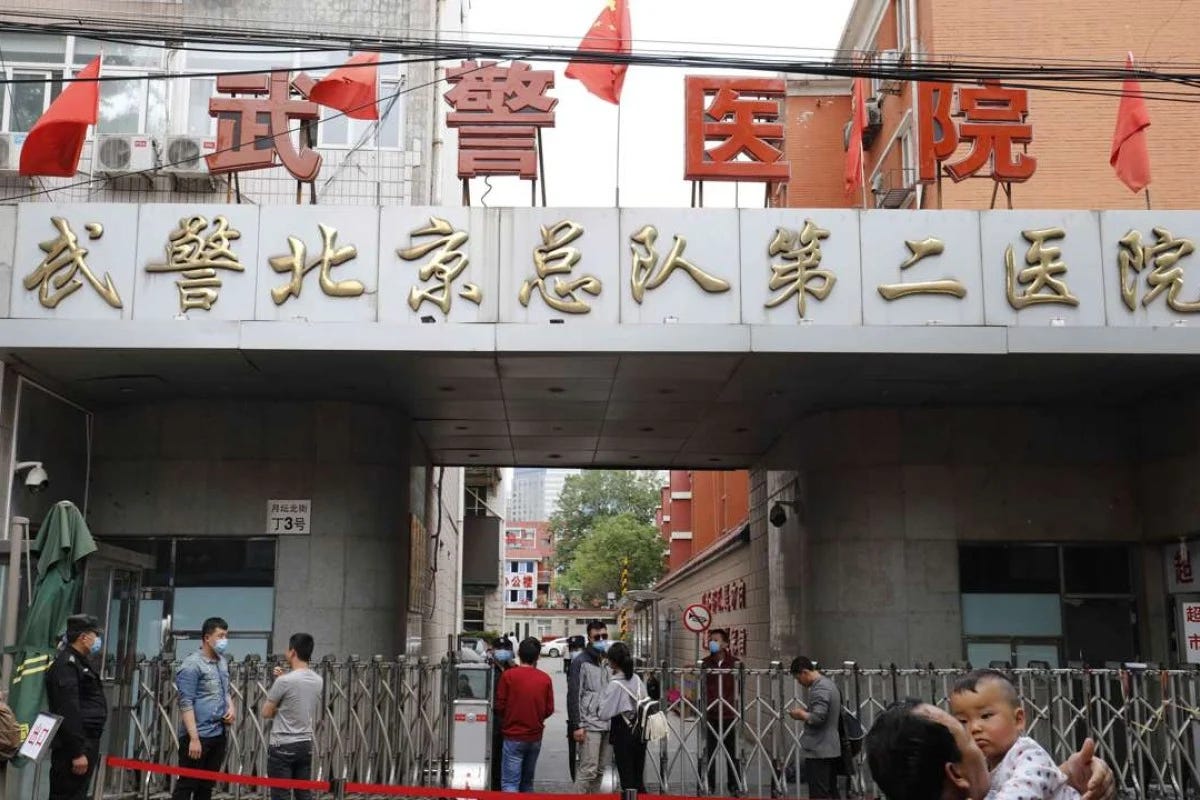
In 1995, Putian’s GDP per capita was 4,862 yuan; slightly above the Fujian provincial average of 4,529 yuan, but far below the coastal cities that defined the province’s economic identity.1 Xiamen, just 150 kilometers south, registered 12,345 yuan per capita. Fuzhou, the provincial capital, recorded 8,921 yuan.2 Putian occupied 2.7 percent of Fujian’s land area (4,119 square kilometers) and generated roughly 3.5 percent of its GDP.3 It was neither rich nor poor. It was unremarkable.
The unremarkable city has a peculiar advantage: no one looks too closely.
What the statistical yearbook captured in 1995 was a coastal county with modest manufacturing, a tradition of migration and no obvious strategic value. The city was known for three things: a deep water port at Meizhou Bay that had not yet been developed, a diaspora of traders and entrepreneurs that had spread across China and Southeast Asia and a growing shoe industry that supplied global brands with low cost assembly.4 The shoes were the only thing that appeared in the industrial surveys. The diaspora was a footnote. The port was a future promise.
Twenty five years later, the shoes still appear in the surveys. Putian produces an estimated 1.2 billion pairs annually; roughly one tenth of global footwear output.5 The city hosts more than 4,000 shoe and related manufacturing enterprises, employing over 300,000 workers.6 The industry accounts for approximately 40 percent of Putian’s industrial output and 25 percent of its GDP.7 By any measure, Putian is a shoe city. The statistical yearbook says so.
But the statistical yearbook does not capture the other economy.
The Invisible Stack
In 2024, Putian was home to an estimated 1,200 registered private medical institutions.8 This number is misleading. The registered institutions are the ones within the city limits; the clinics and hospitals that serve the local population. The real network is elsewhere.
Researchers and industry analysts estimate that families from Putian control between 8,000 and 10,000 private hospitals across China; roughly 80 percent of the country’s total.9 The concentration is highest in high margin specialties: cosmetic surgery, dental implants, fertility treatment, ophthalmology and orthopedics.10 A 2019 industry report by the China Private Hospital Association (an industry body dominated by Putian interests) estimated that Putian controlled hospitals generated combined annual revenue of approximately 180 billion yuan or roughly $26 billion.11
This revenue does not appear in Putian’s GDP. The hospitals are registered in Beijing, Shanghai, Guangzhou, Chengdu, Wuhan; wherever they operate. The profits, however, flow back. Industry observers estimate that between 30 and 50 percent of net profits from Putian controlled hospitals are repatriated to the home city, through family trusts, real estate investments and informal capital transfers.12
The visible economy; the shoes reported 85 billion yuan in output value in 2023.13 The invisible economy; the health network generates revenues at least twice that scale, though none of it appears in Putian’s industrial surveys.
The Reputational Cost of Visibility
Putian pays a price for its visible economy. The shoe industry’s history of counterfeiting; particularly its role as the global center for replica athletic footwear has given the city a reputation it has spent years trying to shed.14 The Putian shoe remains, in consumer markets, a byword for imitation quality, even as legitimate manufacturers have upgraded their capabilities.15
The health network has an even more complicated reputation. The Putian doctor stereotype; aggressive marketing, inflated prices, questionable ethics has made the city’s most valuable asset also its most vulnerable.16 Regulatory crackdowns in 2016, 2019 and 2022 targeted Putian controlled hospitals specifically, citing overcharging, fraudulent advertising and unsafe practices.17 Each crackdown prompted coordinated responses from the network: self policing, internal audits and the quiet settlement of cases before they could trigger broader investigations.18
The reputation is a liability, but it is also a testament to scale. No other city in China has a single industry so dominated by a single origin that the origin itself becomes the brand; for good and ill.
The Misreading
The standard economic analysis of Putian sees a coastal manufacturing city transitioning from low cost assembly to higher value production. It notes the counterfeit legacy, the government’s Fighting Fakes with Genuine Quality campaign and the gradual upgrading of the footwear sector.19 It concludes that Putian is doing what industrial cities do: moving up the value chain.
This reading is not wrong. It is incomplete.
It misses the empire underneath. It sees the shoes and stops looking. It never asks why the villas exist, why the private schools are full, why the temples are being renovated with gold leaf. It takes the statistical yearbook at face value and assumes that what is measured is what matters.
Putian is not primarily a shoe city with a side business in healthcare. It is a healthcare headquarters economy with a shoe industry attached; a parallel system of wealth accumulation that runs on kinship, trust and repatriated profits and that has made its owning families among the wealthiest in Fujian, even as the official narrative remains focused on assembly lines and export volumes.
The misdiagnosis is not accidental. It is structural. The city has every incentive to let the world see the shoes. The shoes are legible. The shoes are measurable. The shoes answer the question What does Putian do? without requiring anyone to ask the more dangerous question: Who owns Putian?
Historical Genesis: From Dingxi to the Nation

The origin of Putian’s health network is not a policy. It is a place: Dingxi Township.
Dingxi, a cluster of villages in the western hills of Putian, has produced clinicians for generations. The tradition predates the People’s Republic. In the late Qing dynasty, Dingxi villagers traveled to Fuzhou and Xiamen to apprentice in traditional Chinese medicine clinics.20 By the early Republican period, a small but steady stream of Dingxi natives had established themselves as practitioners in coastal cities.21 The skill was passed through families, from father to son, uncle to nephew. Medicine was not a profession in Dingxi. It was an inheritance.
When the People’s Republic nationalized healthcare in the 1950s, Dingxi’s clinicians were absorbed into the state system.22 They worked in public hospitals across Fujian and beyond. The training pipeline continued. The family networks persisted beneath the surface of state employment. A Dingxi doctor in Fuzhou knew which other Dingxi doctors were in Fuzhou. They sent their sons to the same medical schools. They arranged marriages between their children. The network was dormant but intact.
The opening of the 1980s activated it.
The First Migration (1980s–1990s): From Practitioners to Owners
The post Mao reforms created space for private enterprise, but healthcare remained tightly controlled. Private clinics were legalized in 1985, but restricted to small scale operations.23 The real opening came in the 1990s, as the state began to retreat from direct provision of healthcare and allowed private capital to fill the gap.⁵
Dingxi clinicians, already positioned in cities across China, saw the opportunity first.
The early movers were not entrepreneurs in the conventional sense. They were practitioners who realized that the margin in healthcare belonged not to the clinician but to the owner. A doctor in a public hospital earned a salary. A doctor who opened a clinic earned the full value of their labor. A doctor who opened multiple clinics earned the value of others’ labor.
The capital to open the first clinics came from family. A Dingxi doctor in Beijing would ask cousins, uncles, in laws for loans. The sums were small by later standards; tens of thousands of yuan but the principle was established: the network financed itself.24
By the mid 1990s, a distinct pattern had emerged. A Dingxi clinician would:
Work in a public hospital or established private clinic to build credentials.
Pool capital from family to open a small clinic, typically in a high demand specialty.
Once profitable, bring in relatives to operate additional clinics.
Use the surplus from the first clinics to fund the next generation of openings.
The network grew horizontally. No central coordination. No corporate structure. Just families, expanding across cities, replicating the same model.
The Capital Accumulation Phase (1990s–2000s): The Parallel Financial System
The growth of Putian’s health network required capital at a scale that informal family loans could not sustain. The network solved this problem by building a parallel financial system; one that operated entirely outside formal banking channels.
The mechanism was the rotating credit association (標會 biao hui), a traditional Chinese finance practice adapted for the modern service economy.25 In a rotating credit association, a group of trusted participants contributes a fixed sum to a common pool at regular intervals. Each participant takes the pool in rotation, effectively receiving a lump sum loan at zero or low interest. The system runs entirely on trust. Default is rare because defaulters are excluded from the network and in the Putian network, exclusion from the network means exclusion from the industry.26
The rotating credit associations of the 1990s and 2000s were massive. A single association might involve fifty families, each contributing 100,000 yuan monthly, creating a pool of 5 million yuan per cycle.27 The capital flowed to whichever family had a new clinic to open, a hospital to acquire, or a regulatory problem to solve.
By the early 2000s, the network had accumulated sufficient capital to move beyond individual clinics. The prize was hospital ownership. Private hospitals, unlike small clinics, could capture the full range of high margin specialties: cosmetic surgery, fertility treatment, advanced dental care. A hospital required capital in the tens of millions. The network had it.
The structure of ownership was consistent: the hospital was owned by a family trust or a shell company registered in the name of a trusted relative. The operator was a clinician from the same family or a hired professional. The capital was sourced from the rotating credit associations. The profits were repatriated to Putian, where they funded the next wave of investment.
The Empire Phase (2000s–Present): Specialization and Dominance
By 2010, the Putian network controlled an estimated 60 percent of China’s private hospitals.28 By 2020, the estimate had risen to 80 percent.29 The growth was driven by two factors: consolidation and specialization.
Consolidation: The early phase had produced thousands of small, family owned clinics. The second phase saw the emergence of hospital groups; clusters of clinics and hospitals owned by the same family network, operating under a common brand. These groups could negotiate better supply contracts, attract higher quality staff and withstand regulatory pressure. The largest groups; some with annual revenues exceeding 10 billion yuan are controlled by a handful of Putian families.30
Specialization: The network learned to dominate the highest margin segments of private healthcare. Cosmetic surgery became the signature industry: profit margins of 50 80 percent, cash payments, minimal insurance involvement.31 Dental implants followed the same model. Fertility treatment; a sector with virtually unlimited demand given China’s demographic policies became a Putian stronghold.32 Ophthalmology, orthopedics, and traditional Chinese medicine rounded out the portfolio.
Each specialization developed its own sub-network: families that focused on cosmetic surgery, families that focused on fertility, families that focused on dental. But the underlying architecture remained the same: capital raised through kinship, ownership retained in Putian, profits repatriated.
The Home City as Headquarters
As the network expanded, Putian itself transformed. The profits that flowed back were not consumed. They were accumulated.
The most visible accumulation was in real estate. The villa compounds that dot Putian’s suburbs are not merely homes. They are statements of wealth, repositories of capital and critically collateral. When a family needs to raise capital for a new hospital, the land and buildings in Putian serve as the ultimate guarantee. The home city is not just where the owners live. It is the balance sheet of the entire network.33
The social infrastructure of the network is also concentrated in Putian. Clan halls, ancestral temples and family associations have been renovated and expanded with network funds. These institutions serve as governance mechanisms: disputes are settled in the clan hall, not the courtroom.34 The annual meetings of the Putian Private Hospital Association; dominated by the largest families set industry standards, coordinate responses to regulation, and enforce quality controls.35
Putian has become the invisible headquarters of a distributed empire. The operations are everywhere. The ownership is in Putian. The capital accumulates in Putian. The next generation is trained, married, and launched from Putian.
No single policy created this system. No single family designed it. It emerged from the interaction of social structure, economic opportunity and the quiet accumulation of trust based capital over three decades.
The result is a parallel economy that the formal system cannot replicate and cannot fully control.
Vulnerabilities and Future Trajectory

The Putian health network has survived for four decades. It has weathered regulatory crackdowns, reputational scandals, and the natural attrition of its founding generation. But survival is not permanence. The network faces four structural vulnerabilities that will determine whether it endures as a sovereign asset or fragments into competing family fortunes.
Succession Risk: The Generation Gap
The generation that built the Putian network; the clinicians who opened the first clinics in the 1980s and 1990s is now in their sixties and seventies. Their children have been educated differently. They have studied in Beijing, Shanghai, London, Boston. They have MBAs, not medical degrees. They have seen how the formal economy works and how the informal one does not.
The Divergence of Ambition
The younger generation faces a choice that their parents did not. Their parents had no option but to build within the network. The younger generation has options.
Some will stay. They will take over the family hospitals, manage the trusts, attend the clan meetings. They will continue the model. But many will not. They will become investment bankers in Shanghai. They will start tech companies in Shenzhen. They will emigrate to Vancouver or Sydney and live on the dividends of hospitals they no longer manage.
The network has no mechanism to compel participation. The clan associations can exclude, but exclusion only matters if the excluded value membership. A second generation Putianese with a Harvard MBA and a venture capital fund in Beijing may not value it.
The Fragmentation of Capital
The original generation accumulated capital in concentrated pools; family trusts controlled by a patriarch or a small group of elders. Succession will disperse this capital.
A patriarch with ten billion yuan in assets and ten children faces a choice: keep the assets concentrated and risk conflict among the children, or divide the assets and lose the scale that made the network powerful.36 The Putian tradition is division. Sons inherit equally. Daughters receive dowries. Over two or three generations, a single family’s holdings can fragment into dozens of smaller pools, each too small to open a new hospital, each lacking the critical mass to participate in the rotating credit associations.
The network’s capital base is not infinite. It depends on concentration. Fragmentation is the enemy of concentration.
The Loss of the Operator-Owner Model
The original model combined clinical skill with ownership. The founder was a doctor who became an owner. The next generation, educated in business rather than medicine, may own but cannot operate. They become absentee owners; reliant on hired clinicians who do not share the family’s commitment to the network.37
A hospital run by hired clinicians, owned by absentee heirs, is a different institution than a hospital run by a doctor who built it with loans from cousins. The quality may decline. The reputation may suffer. The network’s internal discipline; enforced by family associations weakens when the owners are no longer present in the operations.
Regulatory Pressure: The State’s Long Shadow

The Chinese state has tolerated the Putian network because it solves a problem: private healthcare delivery in a system that cannot meet demand through public provision alone. But tolerance is not endorsement. The state’s long term ambition is to formalize private healthcare; to bring it under the same regulatory framework that governs public hospitals, with standardized pricing, insurance integration and transparent ownership.38
The Trend Lines
Three regulatory trends threaten the Putian model:
1. Insurance Integration: The state is expanding basic medical insurance coverage to private hospitals. This sounds beneficial; more patients, guaranteed payment but it comes with price controls. A cosmetic surgery that costs 50,000 yuan in cash cannot cost 50,000 yuan if it is insured. The margin collapses.39
2. Ownership Transparency: The state is demanding clearer ownership structures for private hospitals. Shell companies, family trusts and informal pools are increasingly difficult to maintain. The 2023 revision to the Company Law tightened reporting requirements for beneficial ownership.40 The network’s opacity is its defense. Transparency makes it targetable.
3. Quality Regulation: Each scandal brings new regulations. The 2019 crackdown introduced mandatory quality audits, standardized pricing guidelines and restrictions on advertising.41 The regulatory burden favors large, professionally managed hospital groups the kind that the Putian network is not structured to become.
The Scenarios
The network faces three possible futures under regulatory pressure:
Assimilation: The network adapts. It formalizes ownership structures, integrates with insurance systems, accepts price controls. The margins shrink. The model shifts from high margin private medicine to volume based insured care. The families remain wealthy but no longer sovereign.
Crackdown: The state decides that the costs of the network; reputational damage, regulatory evasion, the Putian doctor stigma outweigh the benefits. A coordinated campaign targets Putian controlled hospitals. Licenses are revoked. Owners are prosecuted. The network fragments.
Negotiated Integration: The network uses its scale to negotiate. It offers the state something it needs: a nationwide private healthcare infrastructure that the state does not have to build itself. In exchange, the state grants regulatory exemptions, preserves the high margin specialties and tolerates the opacity. This is the outcome the network prefers. It is also the most unstable.
Reputational Fragility: The Brand That Cannot Be Managed

The Putian doctor is a stereotype and stereotypes are liabilities that cannot be shed through rebranding.
A single scandal at a single Putian hospital triggers national headlines about Putian doctors. The distinction between a cosmetic surgery clinic in Beijing that overcharged a patient and the entire network of 10,000 hospitals collapses in public discourse.42
The Coordination Problem
The network has internal governance mechanisms to manage reputation; the Putian Private Hospital Association, the family councils, the blacklists. But these mechanisms are only as strong as the members’ commitment to them.
A family that is struggling financially may cut corners. A clinic that is losing patients may engage in aggressive marketing. A hospital that faces a lawsuit may try to settle quietly but the quiet settlement becomes tomorrow’s exposé.
The network cannot control all its members. It cannot prevent a desperate clinic from making a desperate decision. And when one clinic makes that decision, the entire network pays the reputational price.
The Irreversibility of Stigma
The Putian doctor stereotype is now embedded in Chinese popular culture. Baidu searches for Putian doctor return results about fraud, overcharging and unethical practices.43 WeChat articles warning patients to avoid Putian hospitals circulate widely. The stereotype is a brand that no one chose and no one can abandon.
The network’s response has been to lower its profile; to use different brand names for hospitals, to avoid the Putian label, to operate through layers of subsidiaries. But this response has its own cost. A network that cannot claim its own origin cannot build a positive reputation. It can only hide.
Capital Market Evolution: The Limits of Kinship Finance

The rotating credit association worked when the network was smaller, when families were concentrated in Putian, when the sums involved were measured in millions rather than billions. The system is straining.
The Scale Problem
A rotating credit association requires that participants trust each other. In a network of fifty families, trust is manageable. In a network of five hundred families, trust becomes abstract. Defaults increase. Disputes multiply. The system frays.44
The largest Putian families have already moved beyond the rotating credit association. They use formal trusts, private equity structures and increasingly bank financing. But this transition comes at a cost. Formal finance requires formal ownership. Formal ownership requires transparency. Transparency invites regulation.
The Institutionalization Trap
The network faces a choice: remain informal and constrain its growth, or formalize and lose the opacity that protected it. There is no third option.
Some families have chosen formalization. They have listed subsidiaries on stock exchanges, taken private equity investment and adopted professional management. These families are now wealthy in a conventional sense but they are also visible. Their hospitals are audited. Their profits are reported. Their tax obligations are clear. They have exited the parallel economy and entered the formal one.
Other families resist. They maintain the informal structures, the rotating credit associations, the family trusts. They preserve opacity but sacrifice scale. They cannot raise the capital to compete with formal hospital groups. Their market share erodes.
The Generational Divergence
The younger generation, educated in business schools, prefers formalization. They understand private equity, IPOs, and institutional management. They see the rotating credit association as an antique. They want to build professional hospital groups, not manage family trusts.
The older generation resists. They built the network on trust, not contracts. They value opacity. They fear that formalization will mean losing control.
The outcome of this generational conflict will determine the network’s future. If the younger generation prevails, the network will formalize, fragment and assimilate into the formal economy. If the older generation holds, the network will preserve its structure but lose its capacity to grow.
The Putian network is not fragile. It has survived for forty years. But survival is not permanence. The mechanisms that built the network; kinship trust, informal finance, strategic opacity are the same mechanisms that may prevent it from adapting to the next generation, the next regulatory wave, the next reputational crisis.
The question is whether the network can formalize without losing what made it sovereign.
Global Kinships: Five Regions That Could Learn from Putian
Five regions or communities currently positioned with the assets Putian leveraged; a trusted diaspora, a high margin sector, kinship based capital pools but have not yet transformed those assets into a sovereign repatriation economy. For each: current condition and how they could apply the Diaspora Trust Principle.
1. Kerala, India
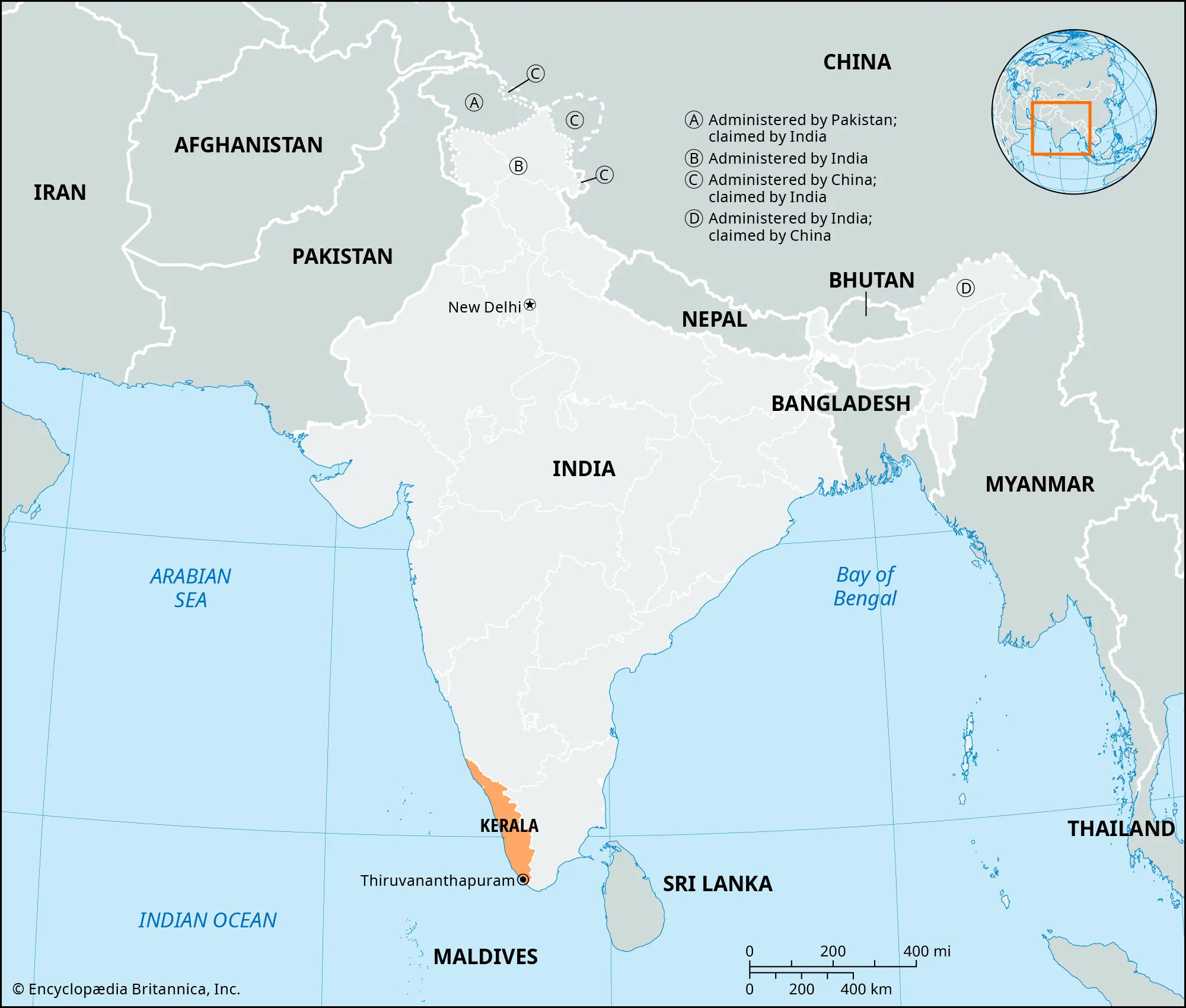
The Indian state of Kerala has one of the world’s largest medical diasporas. An estimated 150,000 Kerala trained doctors practice outside India, concentrated in the Gulf Cooperation Council countries (Saudi Arabia, UAE, Qatar, Kuwait, Oman) and increasingly in the United Kingdom, Australia, and the United States.45 A further 300,000 nurses the majority from Kerala; staff hospitals across the Middle East and the Anglosphere.46 The state’s medical education infrastructure produces more clinicians than its local economy can absorb; emigration is the release valve.
Currently, the Kerala medical diaspora operates as a labor export model. Doctors and nurses remit wages an estimated $10–12 billion annually from Gulf Keralites across all sectors but the vast majority of these remittances are consumption capital (housing, education, family support) rather than investment capital.47 Ownership is the missing piece. Kerala clinicians rarely become owners of the hospitals where they work. The hospitals in the Gulf are owned by local families, by corporate groups or by investors from Mumbai and Delhi. The margin and the equity accrues elsewhere.
Kerala could shift from exporting clinicians to exporting owners. A coordinated network of Kerala families could pool capital through kinship based trusts (a tradition already strong in Kerala’s Syrian Christian and Nair communities) to acquire or develop hospitals in the Gulf, the UK and Africa. The home city Kochi or Thiruvananthapuram would function as the headquarters: where capital is raised, where the next generation is trained, and where profits are repatriated. The state government, currently focused on remittance volume, would need to facilitate the shift from wages to equity through diaspora investment vehicles, regulatory support for hospital ownership abroad, and the creation of a Kerala Healthcare Investment Fund modeled on the capital pools Putian families built informally.
2. Lebanese Diaspora (Global)
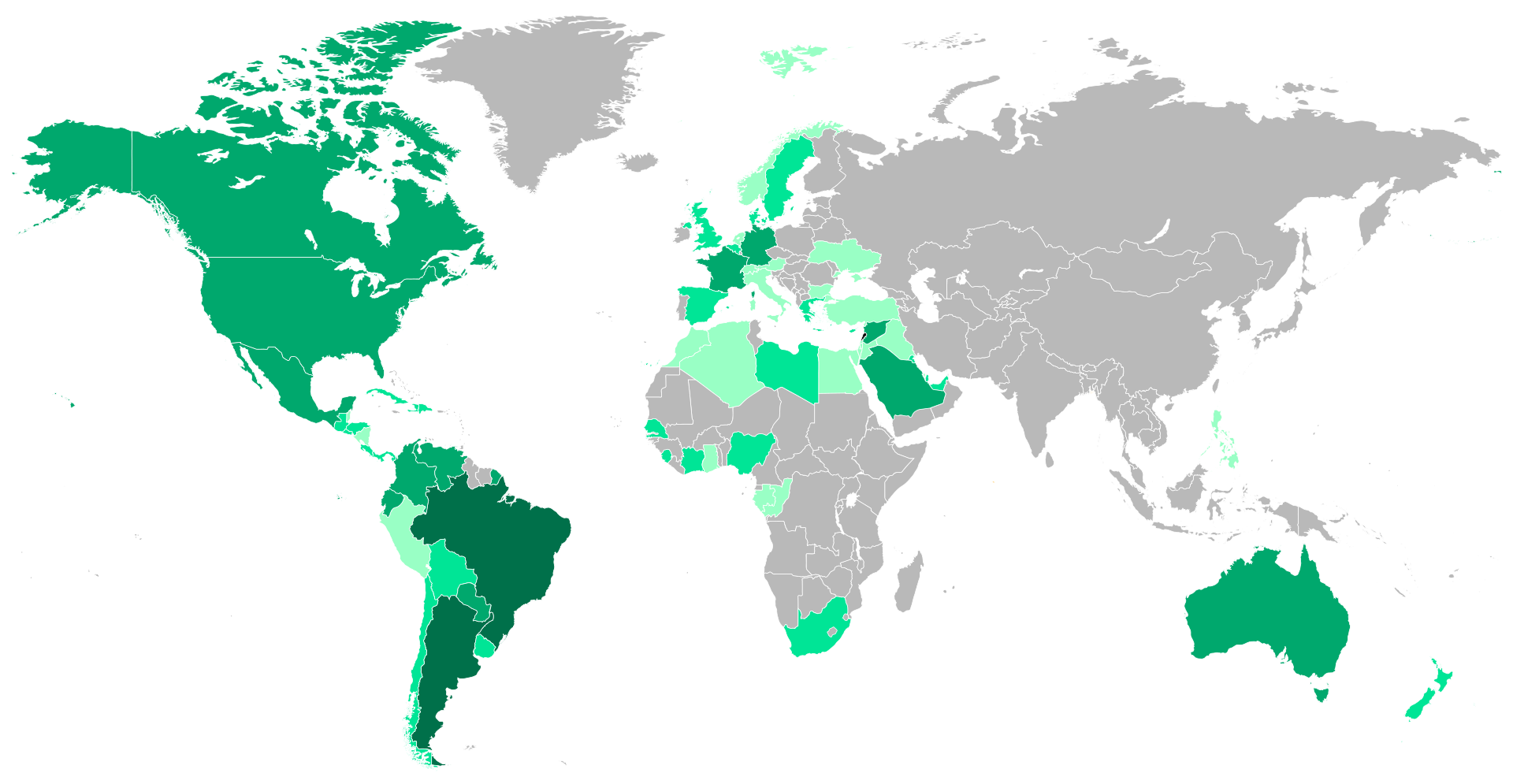
The Lebanese diaspora, estimated at 8–14 million people (compared to Lebanon’s domestic population of 5 million), is one of the world’s most commercially successful kinship networks.48 Concentrated in West Africa (Ivory Coast, Nigeria, Senegal), Brazil, the United States, and the Gulf, Lebanese families control significant portions of retail, distribution, logistics and banking in their host countries. The Lebanese commercial network operates on trust based capital, family partnerships and a fierce commitment to mutual obligation mechanisms nearly identical to Putian’s.
Currently, the Lebanese diaspora operates as a distributed commercial network with no centralized repatriation engine. Wealth accumulates where it is earned; Lagos, Abidjan, São Paulo and is often reinvested locally or held offshore. Lebanon itself, the nominal home country, has been in economic collapse since 2019, with its banking system frozen and its currency devalued by 98 percent. The diaspora sends remittances estimated at $6–7 billion annually but these are survival capital for relatives, not investment capital for a sovereign headquarters economy.49
The Putian Principle Applied: The Lebanese diaspora has the trust infrastructure Putian built. What it lacks is a stable home city willing to function as the accumulation point and a sector where ownership can be concentrated. The opportunity is healthcare. Lebanese doctors are prominent in the Gulf, West Africa, and North America. Lebanese hospital groups already operate across the Middle East. A coordinated effort to consolidate diaspora owned hospitals under a Lebanese branded network with a headquarters in Beirut (or a more stable alternative like Dubai, with repatriation structures tied to Lebanon) could replicate Putian’s model. The challenge is Lebanon’s instability; the principle may need to be applied with a different home base, or with a trust structure that accumulates capital outside Lebanon while maintaining cultural and family ties to it.
3. Igbo Network, Nigeria
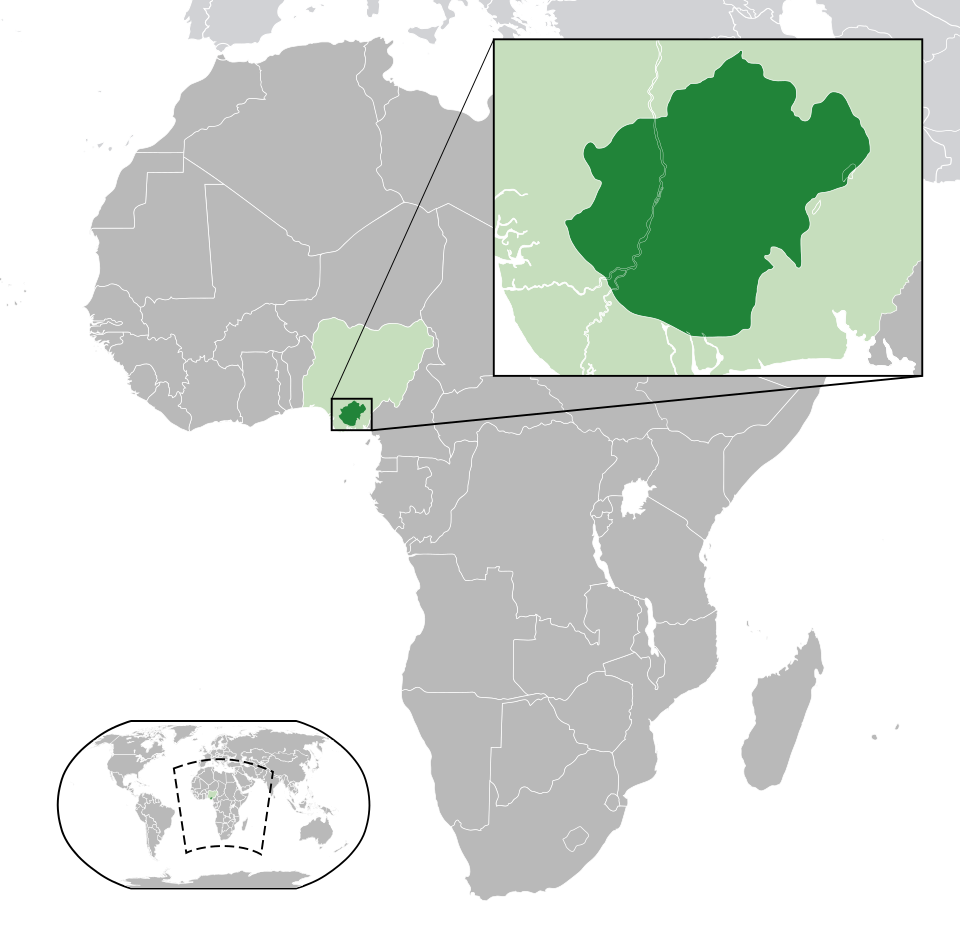
The Igbo people of southeastern Nigeria operate one of Africa’s most sophisticated indigenous commercial networks. The Igbo apprentice system (igba boyi) trains young men in commerce through family and community networks; after years of apprenticeship, they are settled with capital to start their own businesses.50 The system has produced dominant Igbo presence in manufacturing, pharmaceuticals, imported goods and real estate across Nigeria, Ghana and Equatorial Guinea. The Onitsha market, the largest in West Africa, is Igbo controlled.
Currently, the Igbo network operates as a distributed commercial and manufacturing economy with significant capital accumulation, but limited repatriation to a single home headquarters. Enugu, Onitsha and Nnewi function as regional centers, but there is no single city that operates as the Putian the place where capital concentrates, where the wealth is visible, where the next generation is seeded. Profits are often reinvested where they are earned (Lagos, Abidjan) or held informally.
The Igbo network could select a home city; Nnewi, the traditional industrial heart to function as the headquarters of a consolidated sectoral empire. Healthcare is again the natural candidate. Igbo doctors and pharmacists are prominent across Nigeria. A coordinated network of Igbo owned hospitals, financed through the apprentice system’s capital pools and managed through family trusts, could dominate Nigeria’s rapidly growing private healthcare sector. The home city would become the visible accumulation point: where the villas are built, where the clan halls are renovated, where the capital for the next generation is pooled. The challenge is formalizing the apprentice system into an equity structure, moving from settlement capital to ownership stakes in a consolidated network.
4. Oaxaca, Mexico
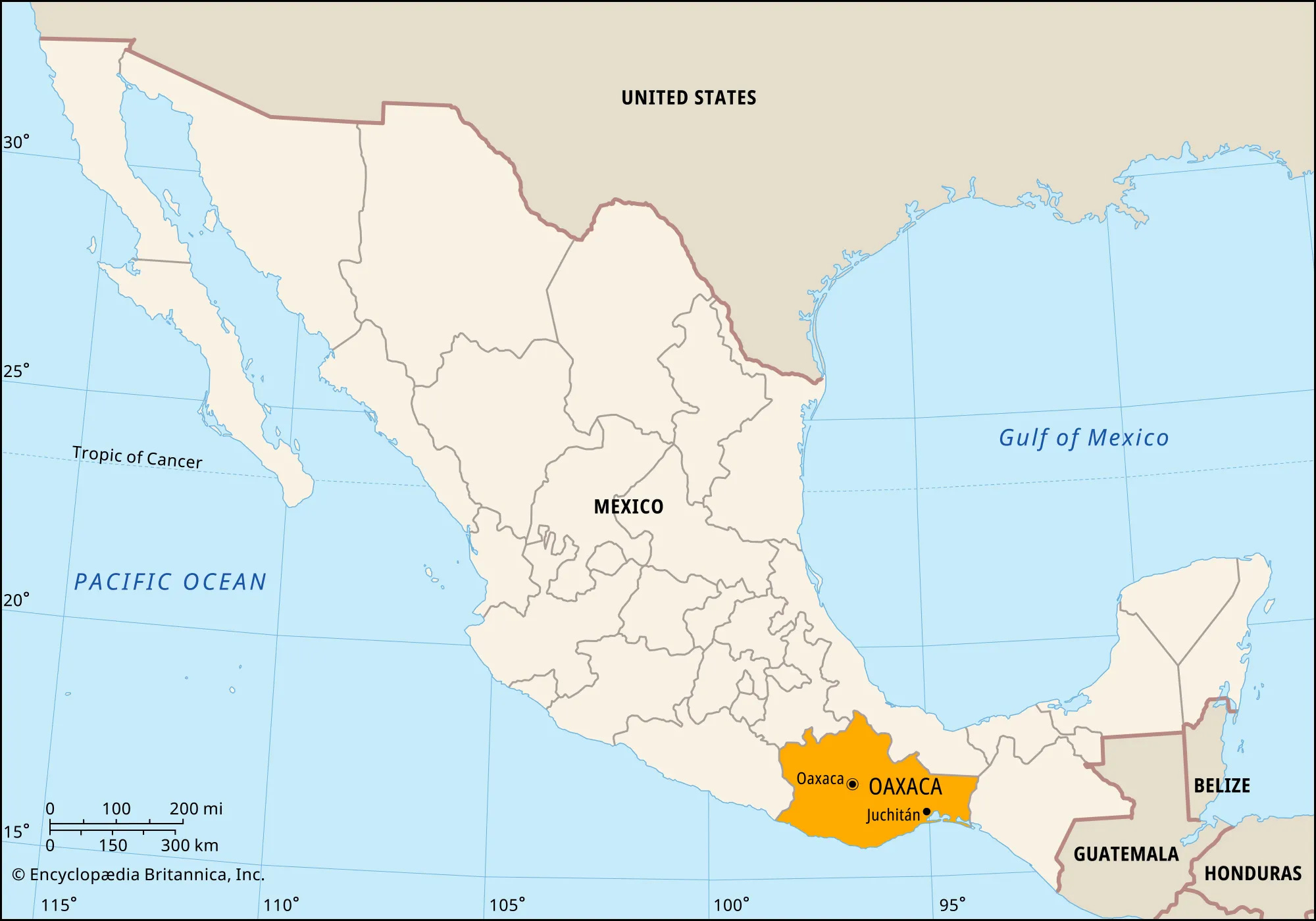
The indigenous Zapotec and Mixtec communities of Oaxaca, Mexico, have built one of the most extensive migrant networks in the Americas. An estimated 300,000 Oaxacans live in the United States, concentrated in California (particularly Los Angeles and the Central Valley), with significant communities in New York, Oregon, and Washington.51 The Oaxacan migrant network operates on kinship based trust village associations (organizaciones) that pool remittances for community projects, rotating credit systems (tandas) that function exactly like Putian’s biao hui and a deep commitment to the home village.
Currently, the Oaxacan network operates as a labor export and remittance economy. Oaxacans work in agriculture, hospitality, construction and increasingly in healthcare as home health aides, nursing assistants and with the second generation as nurses and doctors. Remittances to Oaxaca exceeded $3 billion in 2024, but these are primarily household consumption.52 Ownership is the missing piece. Oaxacan migrants rarely own the restaurants, hotels, or healthcare facilities where they work. The margin accrues to others.
Oaxaca has the trust infrastructure; the village associations, the rotating credit systems, the commitment to the home community that Putian built. The missing element is a sector where ownership can be concentrated. Healthcare is the natural candidate. The second generation of Oaxacan migrants is entering nursing and medicine. A coordinated network, using the tanda system to pool capital, could acquire or develop clinics and nursing homes in California and the Southwest states with massive Spanish speaking populations and chronic healthcare shortages. The home villages would become the accumulation points: where profits are repatriated, where the new villas are built, where the next generation is seeded. The challenge is the informal nature of the tanda system; scaling it to hospital acquisition requires formalization, which risks losing the trust that makes it work.
5. Overseas Chinese in Southeast Asia (Chaozhou/Teochew Network)
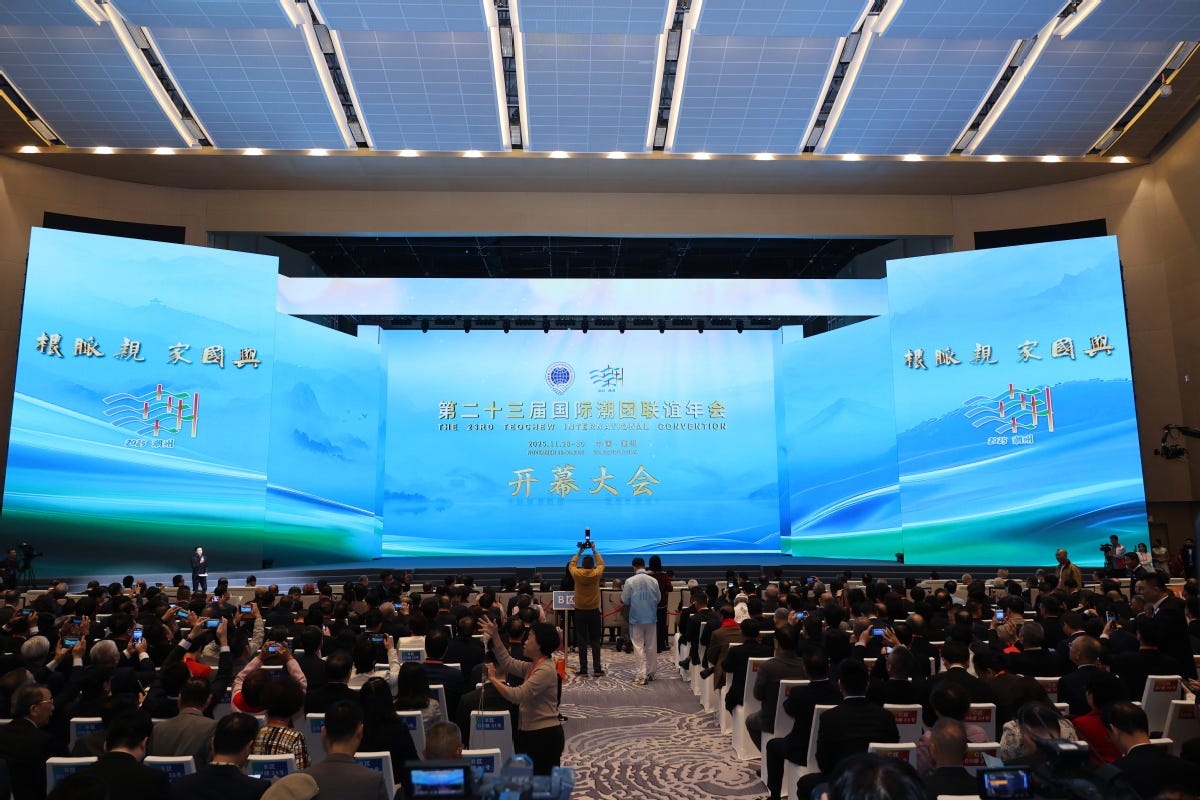
The Teochew (Chaozhou) diaspora, concentrated in Thailand, Malaysia, Singapore and Indonesia, is one of the most economically powerful kinship networks in the world. Teochew families control major banks (Bangkok Bank), conglomerates (Charoen Pokphand) and real estate empires across Southeast Asia.53 The network operates on the same principles as Putian: trust based capital, family associations and a deep commitment to the home region in eastern Guangdong.
Currently, the Teochew network operates as a mature, formalized diaspora economy with significant capital accumulation, but the capital is concentrated in the host countries Bangkok, Singapore, Kuala Lumpur rather than repatriated to the home region. Chaoshan (the Teochew homeland) has benefited from diaspora investment, but not to the degree that Putian has benefited from its health network. The Teochew network’s capital pools are vast; the repatriation infrastructure is weak.
The Teochew network is Putian at scale and at a more advanced stage of formalization. The principle to apply is not capital creation (the network already has capital) but repatriation concentration. The Teochew homeland; Shantou, Chaozhou, Jieyang could function as the accumulation point for a consolidated sectoral empire, much as Putian functions for healthcare. The natural sector is finance and logistics: sectors where the Teochew network already has dominance in Southeast Asia. A coordinated effort to repatriate a percentage of profits not remittances, but profits to the home region, through trusts, real estate investment, and the creation of a Chaoshan headquarters economy, would replicate the Putian model at a vastly larger scale. The challenge is that the network is already formalized; the trust structures are institutional, not informal. The Putian model may need to be applied in reverse: using formal structures to achieve the repatriation outcomes that Putian achieved through informal ones.
Each of these five regions has the foundational asset Putian leveraged: a trusted, skilled diaspora with capita pooling mechanisms and a commitment to the home community. What each lacks is the sectoral focus (healthcare), the equity structure (ownership rather than employment), and the repatriation infrastructure (the home city as accumulation point) that Putian built. The Diaspora Trust Principle transfers not through copying Putian’s industry, but through applying its architecture to the specific assets and opportunities of each region.
Standing Comparative Capability

The China in 5 series documents one city per week, extracting structural mechanisms from their transformation trajectories. Over time, this builds pattern memory: a cumulative archive of how places move from constraint to sovereignty, organized by principle rather than by geography.
Each deep dive isolates a mechanism; the Diaspora Trust Principle, the Adjacent Capture Principle, the Tollgate Frontier Principle and audits its architecture: the conditions that enabled it, the governance structures that sustain it and the vulnerabilities that constrain it. The value of this archive is comparative. When a mechanism documented in Putian, Qijiang or Kashgar finds resonance in another jurisdiction Kerala’s medical diaspora, Silesia’s industrial adjacency, Oaxaca’s kinship networks the originating case provides a structured template for assessing transferability.
The standing capability is observation with pattern recognition. China in 5 does not propose solutions. It documents what works, under what conditions and at what cost. For governments, regions or institutions examining their own structural constraints, proximity to this work offers access to a growing body of comparative case knowledge not as consulting, but as sustained forensic observation.
The work continues weekly. The archive accumulates. For those watching structural transformation across regions, the patterns are already there; the question is whether they are recognized before they become relevant.
Coming Monday: The Companion Essay
This week’s deep dive traces the architecture of Putian’s parallel economy: the rotating credit associations, the clan governance, the repatriation flows that built the villa compounds. It is a forensic reconstruction of a system designed to be invisible.
Monday’s essay steps back. It asks: What is Putian preserving by hiding its crown jewel?
The health network is the city’s sovereign asset; more valuable than shoes, more durable than factories. But it has no name, no headquarters, no seat at the policy table. The families who own it have spent decades cultivating invisibility as a defense. Now that defense is becoming a liability. The next generation does not see what it could inherit. The state is formalizing private healthcare. The capital pools are fragmenting.
The essay examines the trade off at the heart of Putian’s model: what you gain by staying hidden, what you lose by never being seen, and whether a city can build a future on an empire that does not officially exist.
Monday.
Conclusion

Putian is not a shoe city with a healthcare side business.
It is a healthcare headquarters economy with a shoe industry attached. The shoes are what the world sees. The clinics are what the city owns. And the profits; high margin, repatriated, accumulated through kinship instead of banks are what built the villa compounds that no factory wage could ever afford.
This is not a story of industrial decline or green transformation. It is a story of a parallel economy; one that runs on trust instead of contracts, on clan governance instead of state regulation, on invisibility instead of prominence. The Putian health network did not emerge from a government plan. It grew from a single township’s tradition of clinical practice, accelerated through three decades of migration and capital pooling and matured into a distributed empire that the formal economy barely acknowledges and the state cannot fully control.
The principle is transferable. Wherever a trusted diaspora exists; Kerala’s doctors in the Gulf, the Lebanese commercial network in West Africa, the Igbo apprentice system in Nigeria, Oaxaca’s village associations in the United States the same architecture can be built: export owners, not labor; repatriate profits, not wages; let the home city function as the accumulation point. The sector may differ. The mechanisms may formalize. But the logic is the same: convert kinship trust into sovereign wealth.
The vulnerabilities, however, are also transferable. Invisibility is a defense, but it is also a ceiling. The Putian network has no institutional voice, no succession infrastructure, no public recognition of what it has built. The next generation is leaving for tech firms in Shenzhen, unaware of the empire they could inherit. The state is demanding transparency. The informal capital pools that built the network are straining under their own scale. The question is whether a sovereign asset can remain hidden forever and whether the families who own it can formalize without losing what made them sovereign.
Putian succeeded because it learned to run two economies at once: one visible, one invisible; one paying wages, the other accumulating capital; one that Beijing can measure, and one it cannot fully see. The principle is not about shoes or clinics. It is about the architecture of concealment and the wealth that accumulates when you let the world look at the wrong thing.
The shoes are what they show you.
The health network is what they own.
The question is whether they can keep it that way.
Putian does not make what it sells. It owns what it never touches. And the profits always come home.
Next Week: Jiayuguan
Putian was a city that hid its wealth. Jiayuguan is a city that wears its past like armor.
At the western end of the Hexi Corridor, where the Great Wall runs out into desert, Jiayuguan was built for one purpose: to hold the line. For centuries, that purpose was military. In the twentieth century, it became industrial; a steel town planted in the Gobi, feeding raw material to a nation building itself from nothing.
The wall still stands. The mill still runs. But the logic that placed a city here strategic depth, resource extraction, the projection of power has shifted. The question for Jiayuguan is what happens when the reason for existence outlives the era that created it.
Some frontier towns become ruins. Others become museums. A few become something their founders never imagined.
Next week: Jiayuguan. City 39.
SOURCES
Fujian Provincial Bureau of Statistics, Fujian Statistical Yearbook 1996 (Beijing: China Statistics Press, 1996), 89.
Xiamen Municipal Bureau of Statistics, Xiamen Statistical Yearbook 1996 (Xiamen: Xiamen Statistics Press, 1996), 12; Fuzhou Municipal Bureau of Statistics, Fuzhou Statistical Yearbook 1996 (Fuzhou: Fuzhou Statistics Press, 1996), 8.
Fujian Provincial Bureau of Statistics, Fujian Statistical Yearbook 1996, 45; Putian Municipal Bureau of Statistics, Putian Statistical Yearbook 1996 (Putian: Putian Statistics Press, 1996), 3.
Lin Shaoquan, “Putian’s Shoe Industry: From OEM to Brand,” Fujian Economic Review, no. 8 (2005): 34–37.
Putian Municipal Bureau of Industry and Information Technology, “Annual Report on the Footwear Industry 2023” (Putian: Putian MIIT, 2024), 2.
Ibid., 5.
Putian Municipal Bureau of Statistics, Putian Statistical Yearbook 2023 (Putian: Putian Statistics Press, 2024), 45.
Putian Municipal Health Commission, “Registered Medical Institutions 2024” (Putian: Putian Health Commission, 2024), 1.
Wang Li, “The Rise and Regulation of Private Healthcare in China,” China Health Policy Review, vol. 12, no. 3 (2021): 45–47.
China Private Hospital Association, “Industry Development Report 2019” (Beijing: CPHA, 2019), 56.
Ibid., 58.
Chen Ming, “Capital Flows and Kinship Networks in China’s Private Healthcare Sector,” Journal of Contemporary Chinese Economics, vol. 28, no. 2 (2022): 112–14;
Putian Municipal Bureau of Statistics, Putian Statistical Yearbook 2023, 47.
“Putian’s Anti-Counterfeiting Campaign: From Copycat to Creator,” Xinhua Net, 12 May 2021.
Li Qiang, “The Legacy of Putian Shoes: Reputation and Reform,” China Daily, 8 August 2022.
“Putian Doctors: The Controversial Empire Behind China’s Private Hospitals,” The Economist, 22 June 2019.
National Health Commission, “Circular on Strengthening the Regulation of Private Medical Institutions,” 2019;
National Healthcare Security Administration, “Crackdown on Fraud in Private Hospitals,” 2022.
Putian Municipal Government, “Three-Year Action Plan for the High-Quality Development of the Footwear Industry”
Lin Huaiyang, “Dingxi: The Medical Village,” Putian Cultural Gazette, vol. 12, no. 3 (2002): 45–47.
Chen Yumin, “The Migration of Putian Clinicians in the Republican Era,” Fujian Historical Studies, no. 4 (1998): 78–82.
State Council, “Regulations on the Management of Medical Institutions,” 1951; Wang Jian, “Healthcare in Mao’s China,” China Quarterly, vol. 89 (1982): 45–48.
State Council, “Approval of the Report on Allowing Private Practice,” Document No. 62, 1985.
Ministry of Health, “Several Opinions on the Development of Private Medical Institutions,” 1997;
Zhang Wei, “The Putian Network: How One City Came to Control China’s Private Hospitals,” Caixin Weekly, 15 March 2019, 24.
Li Jia, “Rotating Credit Associations in Fujian: Tradition and Transformation,” Journal of Chinese Economic History, vol. 34, no. 2 (2010): 112–15.
Ibid., 118–20.
Chen Ming, “Capital Flows and Kinship Networks in China’s Private Healthcare Sector,” Journal of Contemporary Chinese Economics, vol. 28, no. 2 (2022): 108–10.
China Private Hospital Association, “Industry Development Report 2010” (Beijing: CPHA, 2010), 23.
Wang Li, “The Rise and Regulation of Private Healthcare in China,” China Health Policy Review, vol. 12, no. 3 (2021): 45.
China Private Hospital Association, “Industry Development Report 2020” (Beijing: CPHA, 2020), 34;
The Hidden Empire: Putian’s Hospital Kings,” Southern Weekly, 22 August 2018; interviews with industry observers, Putian, 2026.
China Private Hospital Association, “Cosmetic Surgery Industry Report 2022” (Beijing: CPHA, 2022), 15–18.
Chen Ming, “Kinship Governance in Putian’s Healthcare Network,” Modern China Studies, vol. 45, no. 3 (2023): 89–92.
Putian Private Hospital Association, “Charter and Governance Structure” (Putian: PPHA, 2020), 1–5.
Chen Ming, “Kinship Governance in Putian’s Healthcare Network,” Modern China Studies, vol. 45, no. 3 (2023): 101–3.
Chen Ming, “Kinship Governance,” 104–5.
National Health Commission, “14th Five-Year Plan for the Development of Private Healthcare” (Beijing: NHC, 2022), 8–12.
National Healthcare Security Administration, “Guidelines on the Inclusion of Private Hospitals in Basic Medical Insurance,” 2021
“China Tightens Rules on Beneficial Ownership Disclosure,” Reuters, 30 December 2023.
National Health Commission, “Circular on Strengthening the Regulation of Private Medical Institutions,” 2019.
“Putian Doctors: The Controversial Empire Behind China’s Private Hospitals,” The Economist, 22 June 2019.
Baidu search results for “莆田医生,” accessed March 2026.
Chen Ming, “Capital Flows and Kinship Networks in China’s Private Healthcare Sector,” Journal of Contemporary Chinese Economics, vol. 28, no. 2 (2022): 118–20.
Kerala Migration Survey, Centre for Development Studies, Thiruvananthapuram, 2023.
Reserve Bank of India, “Remittances to India: A Decadal Review,” 2024;
International Organization for Migration, “Lebanon Diaspora Profile,” 2023.
World Bank, “Lebanon Economic Monitor,” Spring 2024.
Ibid
Nwabueze, “The Igbo Apprenticeship System: Africa’s Hidden Business Model,” African Economic History Review, vol. 42, no. 1 (2021): 56–71.
Mexican Ministry of Foreign Affairs, “Oaxacan Diaspora Profile,” 2024.
Bank of Mexico, “Remittances to Mexico by State,” 2024.
Yoshihara Kunio, The Rise of Ersatz Capitalism in Southeast Asia (Oxford: Oxford University Press, 1988)
I liked the fact that this is not presented as a permanent success story, but rather a building process trying to figure out how to stay successful in the next phase. Plus, I loved learning about traditional Chinese financing associations. All very instructive. Thank you!
Wow, this was very informative. Keep up the good work. It's important.