


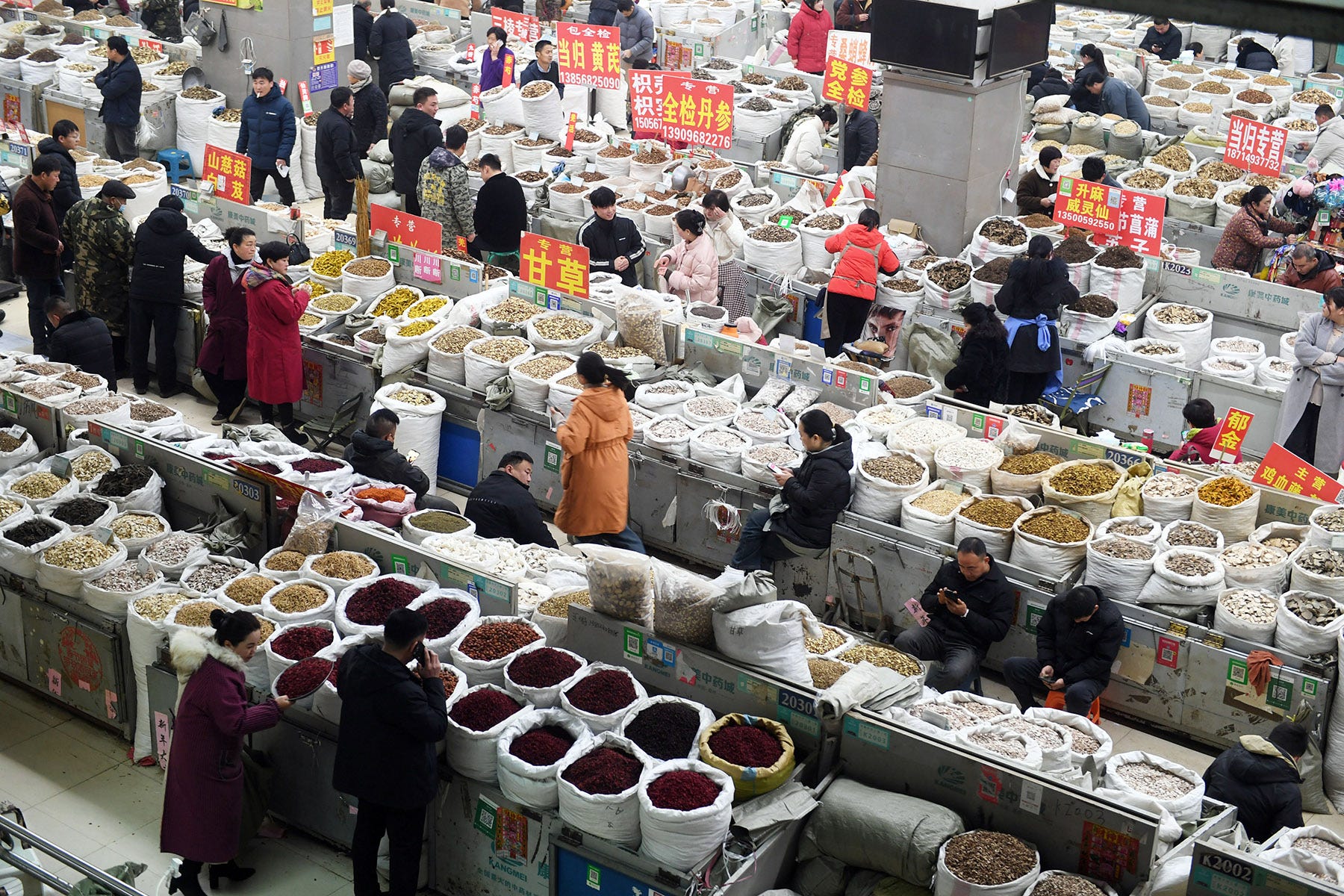
Bozhou is famous for something it does not grow.
Across China, medicinal herbs are cultivated, harvested, processed and shipped. Yet traders from across the country converge on one city in Anhui to buy and sell them. Here, thousands of varieties of Chinese medicinal herbs pass through a market whose reach extends far beyond the city itself.
For centuries, Bozhou has occupied a remarkable place in the world of Chinese medicine. Its name is associated with medicinal herbs, with the physician Hua Tuo, and with a saying that has endured across generations:1
药不到亳州不齐.
No prescription is complete without Bozhou.
But what makes this city so difficult to bypass? It does not grow everything it sells. The herbs come from many places and the products that carry its name can be manufactured elsewhere.
So why Bozhou?
To understand the answer, we have to look beyond what the city produces and examine what happens when an entire trade begins to depend on one place.
The Historical System
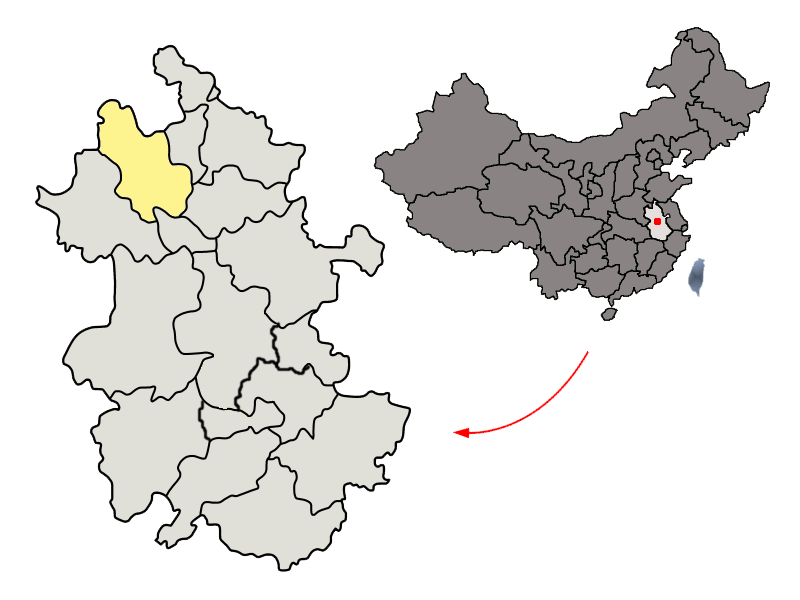
The origin of Bozhou’s medicinal herb market is usually traced to a single plot of ground. Over 1,800 years ago, Hua Tuo, the physician from Pei State, in what is now Bozhou, planted a medicinal herb garden in his hometown. After his death, local physicians gathered at his shrine on the anniversary of his passing to offer free consultations. Farmers brought their herbs to sell. The memorial became a market.2
By the Ming and Qing dynasties, that market had developed into a substantial commercial network. Bozhou sat at the junction of four provinces, with river access to Nanjing and Shanghai. Merchants came from across the country. The old city had seventy two streets and thirty six lanes; nearly a hundred herb warehouses clustered in a handful of them, more than sixty run by merchants from outside the city. Provincial merchant communities established guild halls across Bozhou, earning it the name Little Nanjing.3
Then the system broke. War, followed by the planned economy and the dispersal of the merchant network, disrupted the commercial relationships that had sustained the market.
The garden, the shrine and the memory of the market remained.
In the 1980s, a small market was organized again for scattered sellers. In 1985, Bozhou held its first trade fair. A thousand merchants came from twenty seven provinces and cities. Over ten days, transactions reached 150 million yuan.4 The significance was not simply the volume of business. The convergence had been rebuilt.
Discovery
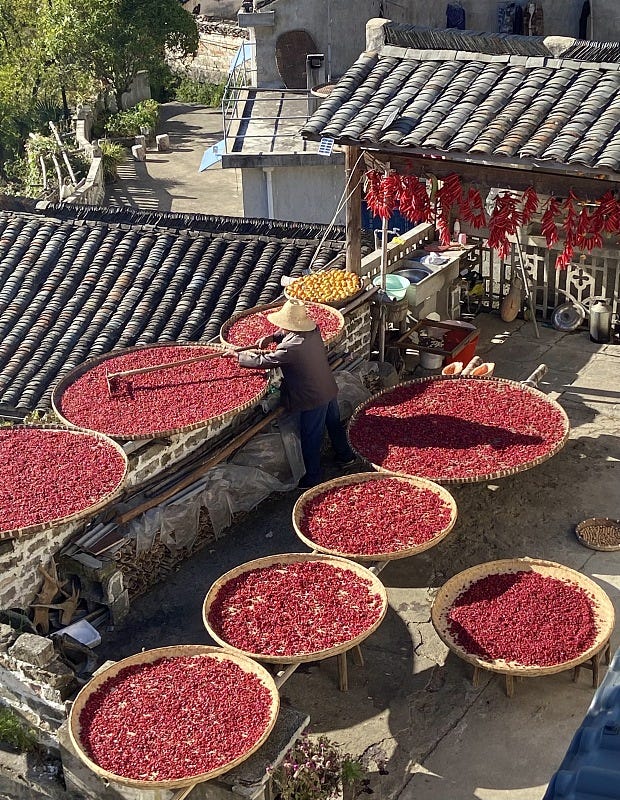
With the revitalization and
What broke was not the gardens. Bozhou’s medicinal plants remained, including the four herbs associated with the city’s name: white peony root, chrysanthemum, mulberry bark and pollen. What broke was the market function.
Under the planned economy, private trading was suppressed. The merchant network that had once drawn traders to Bozhou dispersed. The guild halls fell silent. The saying survived, but the system it described did not.
What remained was harder to see than gardens or warehouses: a population that remembered how to trade.
In the late 1970s, before policy had caught up with practice, women like Wang Guiling were already back at work. They pulled carts into the countryside to buy white peony root, washed it at home, sliced it by hand and waited for buyers to come to the door.5 This was not yet a functioning market, it was subsistence but it was also a rehearsal. The knowledge of how to source, grade and move herbs had not disappeared. It had been suspended.
The first recognition was comparative. By the early 1980s, other historic medicinal-herb centres, including Anguo, Zhangshu and Yuzhou, were holding trade fairs. Bozhou faced the prospect of being left behind.6 Its initial response was modest: scattered sellers were consolidated into a small market in 1984. The scale was limited, but it showed that trading activity could be organized again.
The deeper recognition was that Bozhou’s advantage did not depend on controlling the source of the herbs. It depended on bringing the people who traded them together. A trade fair could turn dispersed commercial relationships into a visible, organized convergence.
The county government supplied the convening power. The merchants supplied something that could not be created by decree: relationships, experience and knowledge of how to move medicinal herbs across the country. The thousands of traders who had built livelihoods through informal running medicine networks were invited back into a formal market.7 Neither side alone could recreate the old system.
The discovery was that Bozhou’s most important asset was not simply its medicinal herbs. It was the trading capability embedded in its people and relationships. That capability had survived the collapse of the formal market, waiting for conditions in which it could operate again.
Activation
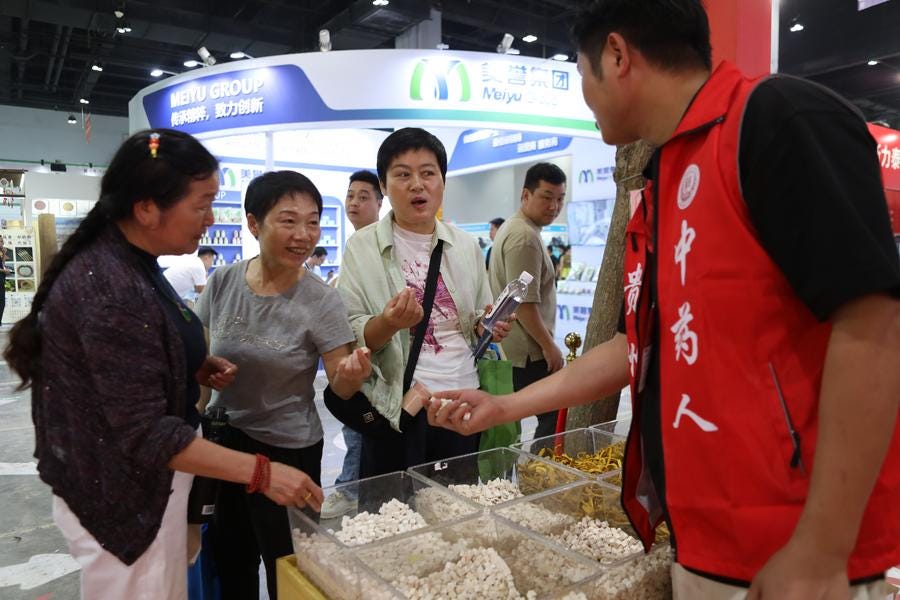
The recognition was that Bozhou could convene the market. Activation was the process of making that convergence permanent, dense and increasingly difficult to replace.
The fair became a fixture. The 1985 gathering proved that merchants could be brought back together. But one successful fair was not yet a functioning system. The event was repeated, strengthening the expectation that Bozhou was where the national trade would gather. In 2004, the fair was upgraded to a comprehensive international expo, formalizing what had begun as an experiment in convening scattered traders.8 The fair made the market convergence a recurring event.
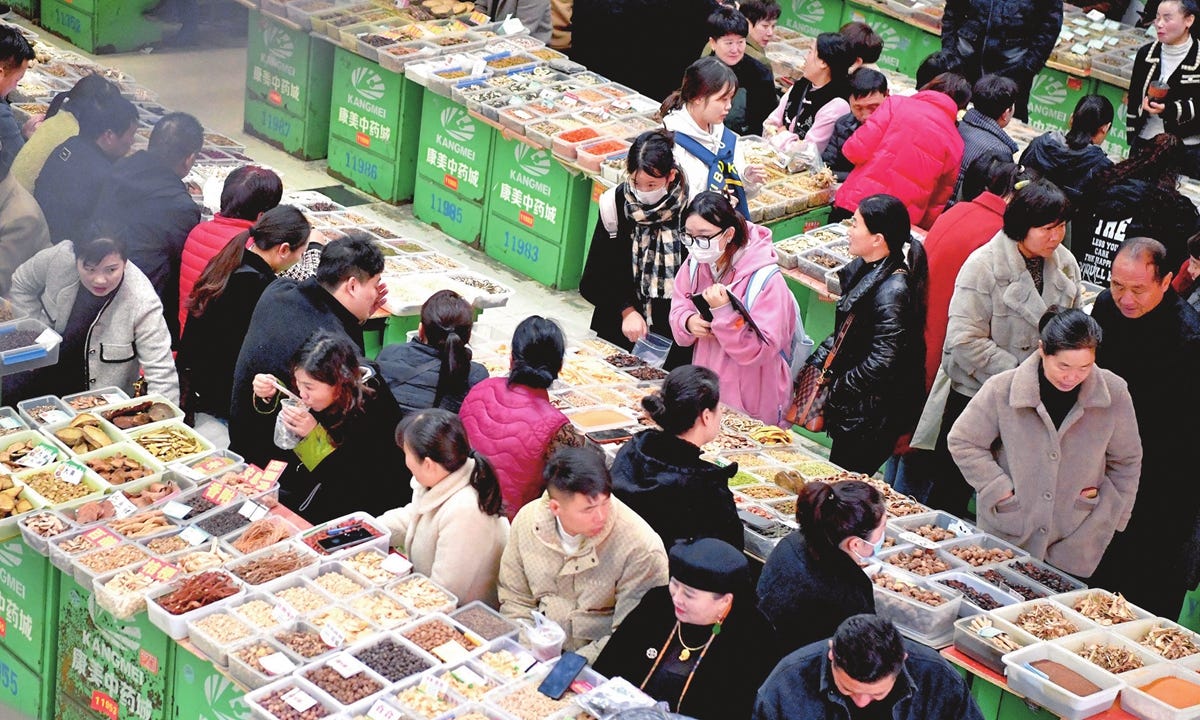
Since then the market became permanent. A dedicated trading hall opened in 1991. Today, the professional market occupies around 66.7 hectares, with more than 2,000 pharmaceutical enterprises and over 8,000 stalls.9 What had once depended on a scheduled gathering became a daily operation. Buyers no longer needed to wait for the fair to find a concentration of sellers.
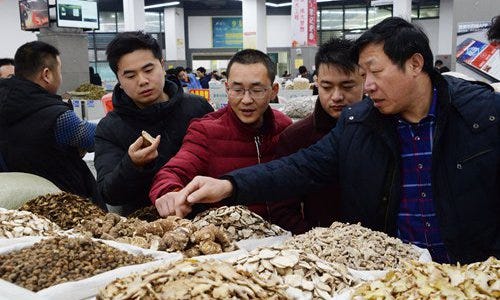
Assortment became an advantage. The market lists more than 2,800 varieties of medicinal herbs on a given day, covering a substantial breadth of the national category.10 The advantage is not simply volume. A buyer sourcing one common herb may have alternatives. A buyer assembling a complex formula from ingredients grown across different regions faces a different task: finding the full range, comparing quality and coordinating purchases. Bozhou concentrates that search in one place. Its breadth of assortment makes the market especially valuable when buyers need multiple ingredients together.
Price discovery concentrated. With a large pool of buyers and sellers trading in the same place, Bozhou became more than a distribution centre. It also became a point of reference for market prices. It is officially described as a price formation centre, and the Bozhou Chinese Medicinal Herb Price Index tracks and publishes price movements.11 This adds another reason to participate: traders can use the market not only to source goods but also to observe prices and assess market conditions. The evidence supports Bozhou’s importance in price discovery; it does not establish that all medicinal herb prices are determined there.
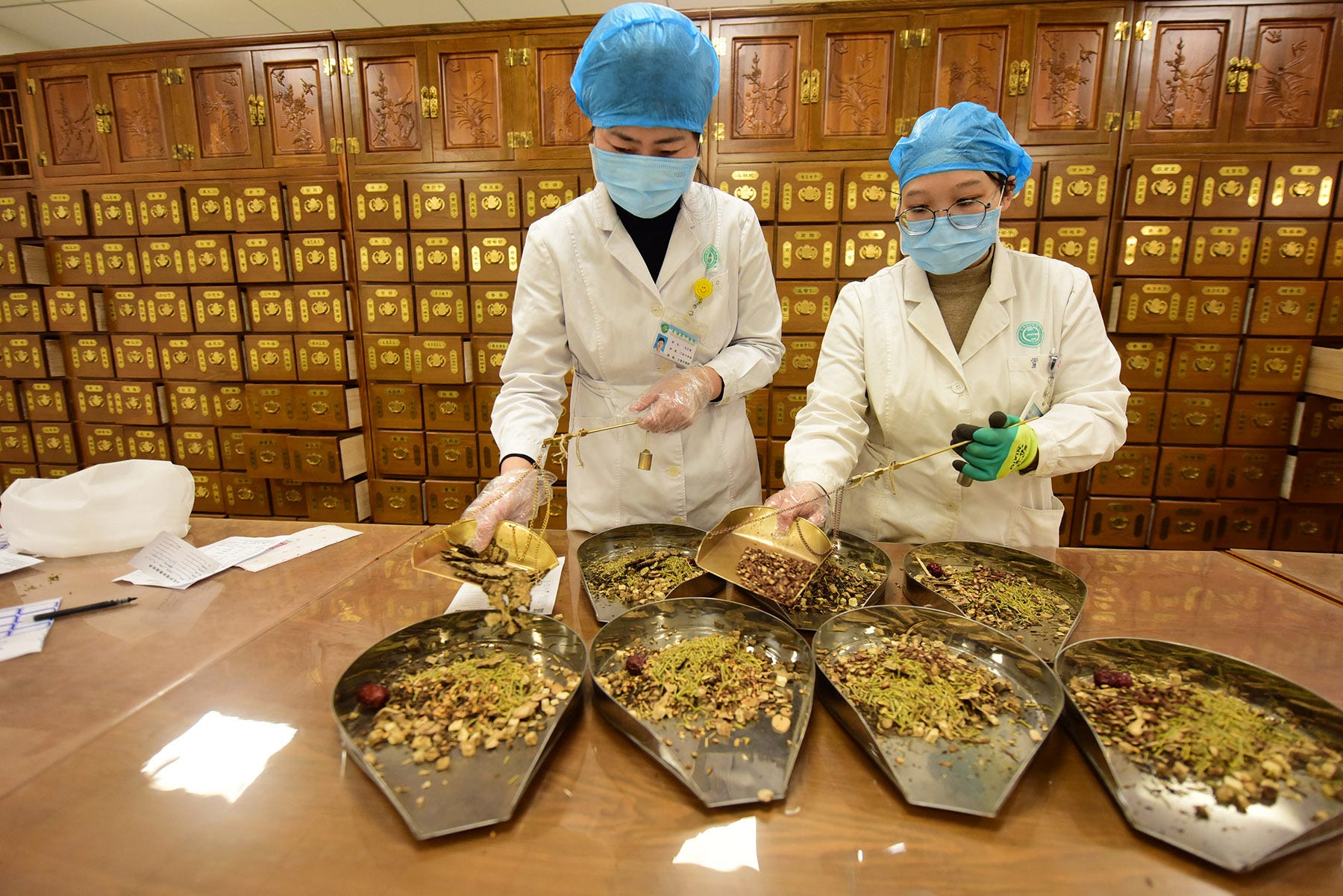
Traceability and manufacturing deepened the system. Bozhou’s traceability system reportedly covers 97% of the city’s 234 decoction piece enterprises,12 with more than 1,000 varieties traceable across a network of approximately 99,000 suppliers and customers.13 This adds a layer of documented provenance to the trading ecosystem. For participating businesses, traceability can help connect products with their supply chains and support verification. It is not, by itself, proof that sourcing elsewhere is impossible or necessarily more expensive.
Manufacturing adds another dimension. In 2025, above scale pharmaceutical manufacturers in Bozhou recorded output value of 45.84 billion yuan.14 The trading market and the manufacturing base now coexist within the same city, linking the movement of medicinal materials with their further processing. The figures establish the scale of this industrial presence; demonstrating exactly how much manufacturers depend on the market’s sourcing and verification systems would require more specific evidence.
The cumulative result
Bozhou’s position was not created by one intervention. The fair made convergence recurring. The permanent market made it daily. Assortment increased the value of sourcing in one place. Price information gave traders another reason to participate. Traceability and manufacturing extended the system beyond exchange into verification and processing.
Each layer adds a different capability. Together, they help explain how a market rebuilt after disruption became a much larger trading and industrial ecosystem.
The deeper question is whether these layers merely make Bozhou a highly useful place to trade or whether their interdependence makes the system genuinely difficult to reproduce elsewhere.
When the Origin Becomes the Intersection
The Shock
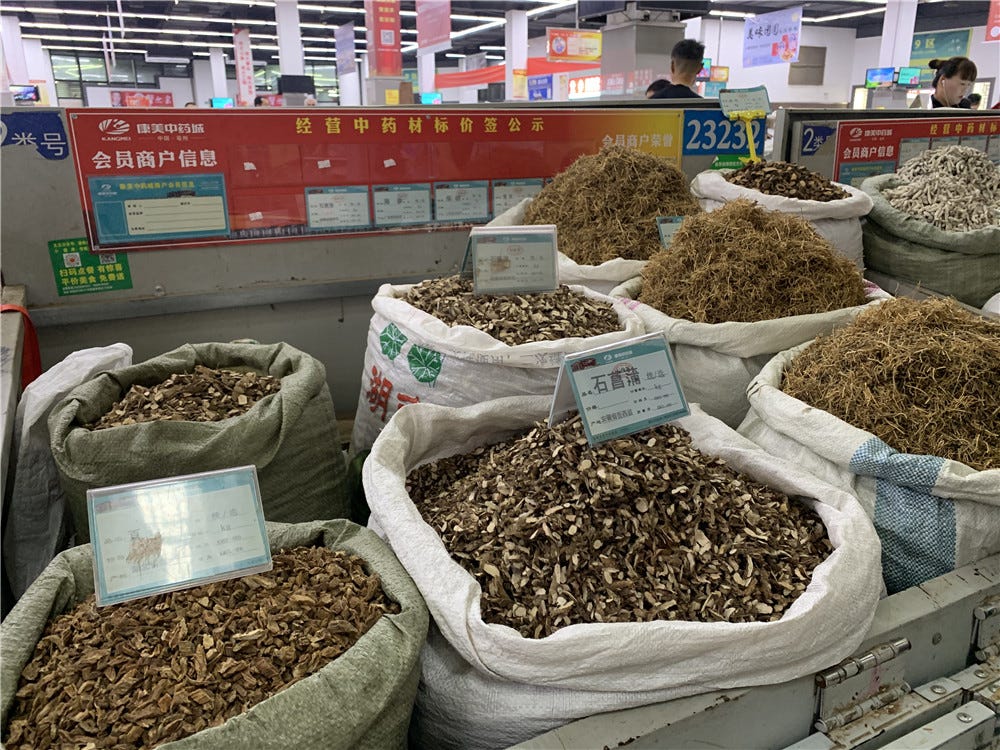
Bozhou’s advantage rests on bringing together what is dispersed: medicinal herbs from different producing regions, merchants who know how to trade them, and the infrastructure needed to assess, price and move them. But what happens when the producing regions begin building those capabilities themselves?
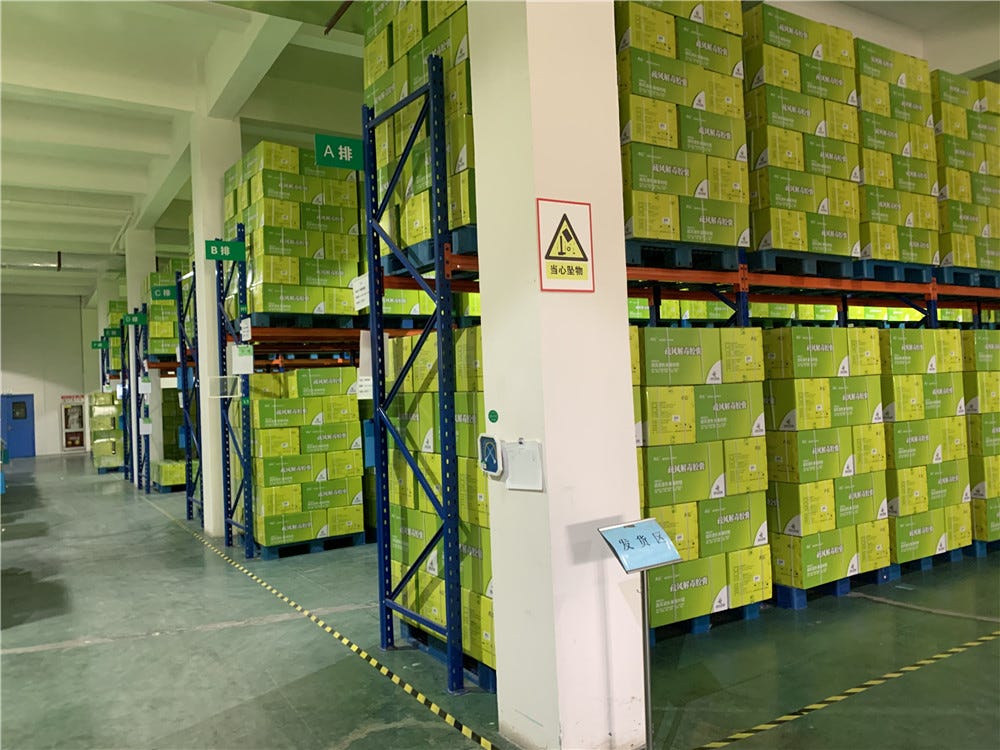
The challenge is emerging through the rise of origin warehouses, facilities near the source that combine storage, processing, quality inspection and traceability.15 Instead of sending herbs into a central market and relying on its infrastructure, producers can increasingly prepare and verify them closer to where they grow.
The producing regions are building their own nodes.
In Santai, Sichuan, a digital warehouse system for Mai Dong integrates cultivation, processing, storage, sales and quality inspection, with QR codes linking products to their origins and testing information.16 In Wenshan, Yunnan, an initiative for Sanqi aims to connect production, quality management and trading, while moving more of the crop from raw agricultural supply into processed and branded products.17
The important change is not simply that these regions are selling more efficiently. They are attempting to assemble capabilities that once made a central trading market valuable: reliable storage, quality information, standardized handling and connections to buyers.
Wenshan’s model offers a particularly revealing detail. Bozhou and Anguo have reportedly been designated as branch warehouses within its origin warehouse network.18 The producing region is not necessarily eliminating the established markets. It is building a system in which they can become nodes within a network organized around the origin.
That raises a question Bozhou’s historical success did not have to answer in the same way: what happens when the source of a commodity can provide the verification and coordination that buyers previously sought at the destination?
The vulnerability is real, but it has a boundary.
For a buyer purchasing one standardized herb in bulk, an origin warehouse may offer a credible alternative to travelling through Bozhou, provided it can deliver the required quality, reliability and documentation. In that transaction, the value of accessing thousands of other varieties may be limited.
But the calculation changes when a buyer needs a complex formula assembled from ingredients grown across many provinces. No single origin warehouse can supply that breadth. The buyer must still coordinate multiple sources, compare products and assemble a reliable order. Bozhou’s concentrated assortment and established trading relationships remain valuable precisely because the ingredients originate in different places.
The evidence therefore points to a differentiated threat, not the collapse of the market. Origin based systems can challenge Bozhou’s role in individual commodities without yet reproducing its capacity to coordinate a complex, multi-origin trade.
The deeper pressure may come from a change in how the industry organizes supply.
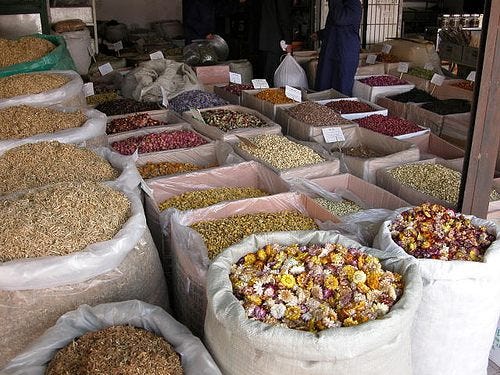
Traditional spot markets coordinate many buyers and sellers through repeated exchange. But pharmaceutical procurement increasingly emphasizes standardized specifications, contracted volumes and consistent quality. China’s first national centralized procurement round for Chinese medicinal decoction pieces began implementation in 2025, covering selected varieties.19 Where manufacturers can secure supplies directly from qualified production bases, with verification built into the contract and supply chain, they may need less of the central market’s traditional coordinating function.
Bozhou is not outside this transition. Its manufacturers have won places in national procurement programmes and its own traceability infrastructure gives the city capabilities that can support more formalized supply chains.20 That is evidence of adaptation, not proof of displacement.
The unresolved question is what happens to the market’s role as these systems develop. Does Bozhou become the place that coordinates increasingly complex supply across origins? Or does it become one participant in a network whose standards, contracts and value capture are increasingly organized elsewhere?
The shock is not that origin warehouses have already made Bozhou obsolete. The evidence does not show that. It is that the functions supporting Bozhou’s position are no longer necessarily tied to one physical location. Some can be built near the source; others can be embedded in contracts, standards and distributed networks.
Bozhou’s challenge is therefore more fundamental than moving its market online. It must remain valuable as the industry develops new ways to coordinate the trade.
A city can continue to handle enormous volumes and remain commercially important while losing its position as the place around which the system is organized. Whether that happens to Bozhou remains open, but the rise of origin based infrastructure makes it a question the city can no longer ignore.
The Intersection, Not the Source Principle
The Doctrine
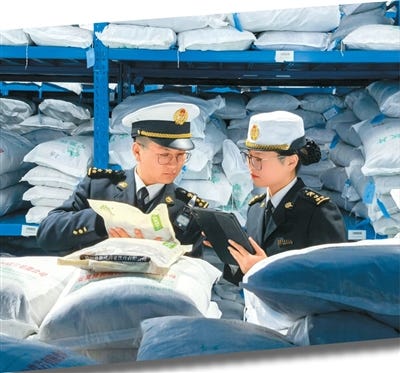
Most people try to become irreplaceable by owning something.
A skill, product, patent, resource or even brand. The assumption is that if you possess something valuable, people will have to come to you.
But owning something valuable does not necessarily make you difficult to replace. If someone else can produce it, buy it, improve it or find an alternative, your position remains vulnerable.
There is another way to think about irreplaceability. Instead of asking what you can own, ask what you can become necessary to connect.
Stop looking at the thing. Look at the relationships.
Consider a business that sells an excellent product. Its customers may love the product, but if another supplier can offer an equivalent at a better price, they can leave.
Now consider a business that understands the customer’s needs, coordinates multiple suppliers, guarantees compatibility, verifies quality and makes the entire process work. Its value no longer rests on one product. It rests on the relationships and coordination that make the outcome possible.
The product can be replaced, but reproducing the entire system is harder.
This distinction applies beyond business. A professional may be valued for a technical skill, but become more difficult to replace by connecting technical knowledge, institutional understanding, trusted relationships and the ability to get complex work completed. An organization may provide a useful service, but become more consequential when it connects people, capabilities and resources that would otherwise remain fragmented.
In each case, the question changes from What do I have? to What becomes possible because I connect these things?
Three ways to build an irreplaceable position
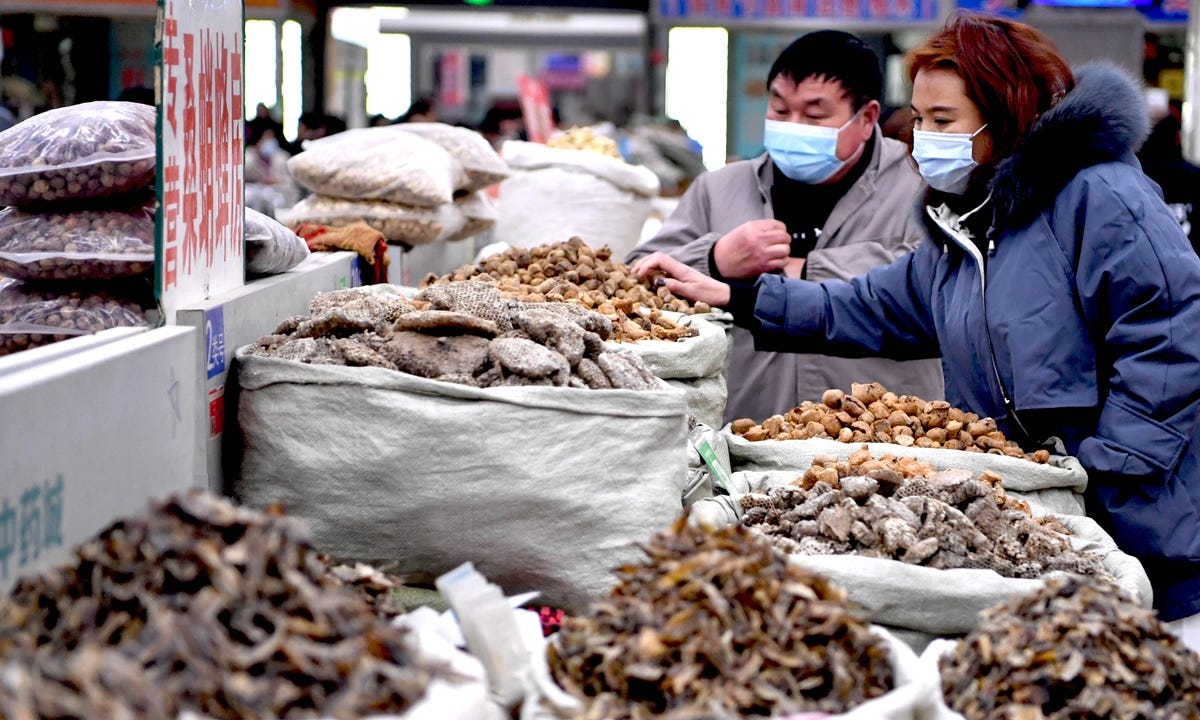
i. Become necessary to a complete outcome.
Do not confuse being good at one task with being necessary to the result.
Identify what people are actually trying to accomplish. Then look at the separate elements they must bring together to achieve it. If you can connect those elements reliably, you may create more value than someone who supplies only one of them.
This does not mean you must do everything yourself. In fact, the strongest position may be the ability to coordinate capabilities that belong to other people.
What difficult outcome can you help deliver that would require significant effort to assemble without you?
i. Become a trusted point of coordination.
Connections alone are not enough. People need reasons to rely on them.
Can you help people find the right partners? Can you establish standards, verify information, resolve disputes or make decisions easier? Do you understand how different parts of a system fit together? Does your involvement reduce uncertainty, risk or wasted effort?
These capabilities can make you valuable even when you do not own the underlying resources.
But trust must be earned through performance. A network that depends entirely on your personal presence may be fragile. A system that makes reliable coordination repeatable can become much stronger.
What do people rely on you to coordinate, verify or make possible and could that value survive without my constant intervention?
iii. Keep your position useful as the world changes.
This is where many apparently strong positions become vulnerable.
You may connect people through a process that technology later automates. You may coordinate suppliers whose customers begin buying directly. You may possess expertise that becomes widely available. You may build a business around a need that disappears.
The fact that people depend on you today does not guarantee that they will need the same function tomorrow.
You must continually examine what is becoming easier to obtain elsewhere, which parts of your contribution are becoming interchangeable and what new problems are emerging that you could help solve.
The objective is not to defend every part of your existing position. It is to keep developing the parts that remain valuable as the system changes.
If the way people meet this need changes, what will still make you involvement worth having?
The danger of becoming the bottleneck
There is an important distinction between being necessary and simply obstructing the way.
A person who hoards information may become difficult to work around, but that does not necessarily create a durable advantage. An organization that makes customers dependent on an inefficient process may retain them temporarily, until someone builds a better alternative.
The strongest position is not one in which everyone is trapped. It is one in which the system works better because you are part of it. People return because you reduce complexity, improve reliability, connect capabilities or make outcomes possible that would otherwise be harder to achieve.
That is a more durable form of irreplaceability than dependence created through restriction.
The question that reveals your real position
Imagine that someone wanted to replace you, your business or your organization. What exactly would they have to reproduce?
If the answer is one product, one skill, one resource or one process, your advantage may be narrower than you think.
Would they also need to reproduce your relationships, accumulated knowledge, standards, coordination capabilities and ability to make the whole system work? Would they need to persuade multiple participants to leave an established network and build those relationships again elsewhere?
The more your value lies in a combination of mutually reinforcing capabilities, the harder that combination may be to reproduce.
But do not mistake complexity for protection. If the same outcome can be achieved more easily through another system, people will eventually have a reason to leave.
The real test is the cost of routing around you.
What would people lose if you were no longer there? What would they have to rebuild? What could they obtain elsewhere, and what are you doing now to ensure that your contribution remains valuable?
You do not need to own every resource. You need to understand what connects them, what makes the connections work, and where your contribution makes a meaningful difference.
That is the shift from owning something valuable to occupying a valuable function.
Do not build your position around being the only one who has something. Build it around what you can make possible and keep making possible as the world changes.
Family VIII | Interfaces & Flows
Position in the Fortress
Bozhou belongs to a family of cities whose significance lies in their position within a wider network.
Relationship to Previous Cities
Fangchenggang, Become the Pipe. Fangchenggang moves physical commodities through infrastructure. Bozhou’s contribution is commercial: bringing dispersed supply and demand into the same market.
Kashgar, Become the Passage. Kashgar’s position is shaped by geography and cross-border movement. Bozhou demonstrates that a consequential passage can also be built through commerce and institutions.
Hengdian, Default Gravity. Hengdian concentrates production; Bozhou concentrates exchange. Both depend on accumulated activity, but they organise different parts of an economic system.
Yangzhou, Authority Conversion. Yangzhou shows how authority can be converted into lasting economic significance. Bozhou offers a different route: the coordination of trade across a dispersed network.
What Bozhou Adds
Bozhou extends the Interfaces & Flows family beyond physical infrastructure and geographic corridors. It shows that a city’s position in a network can be built through the repeated convergence of buyers, sellers, goods and market institutions.
The distinction matters: a city may be central to a network without producing the goods that sustain it. Its place in the Fortress depends on the particular function it performs within that network and whether that function remains consequential.
Bozhou in Five

1. Beneath Bozhou’s old city lies an 8,000-metre underground military network attributed to Cao Cao, complete with hidden passages and traps.
2. Gujinggong’s brewing heritage dates to 1515, while its distillation tradition is linked to a Guinness-recognised record from 2018.
3. Four traditional medicinal materials carry Bozhou in their names: Bo Shao, Bo Ju, Bo Sang Pi and Bo Gua Lou.
4. Built by merchants from Shanxi and Shaanxi, Bozhou’s Flower Opera Tower is famed for its extraordinary brick carvings, woodwork and theatrical decoration.
5. Every spring, Bozhou’s vast peony fields burst into bloom; one field measuring nearly 579,000 square metres earned a Guinness World Records title in 2018.
Reflection
There is a question worth sitting with after Bozhou.
How much of what the world knows you for is actually what makes you valuable?
We often become identified with one thing, the skill we mastered, the business we built or even the role we occupied. Over time, the identity and the contribution become difficult to separate. We begin protecting the thing people recognise, even when the world around it is changing.
Bozhou complicates that relationship. Its name belongs to medicinal materials, but its story is also about merchants, markets, institutions, memory and the work of rebuilding what had been lost. The city is more than the thing it is famous for.
Perhaps we are, too.
There may be a difference between what people associate with you and what you have actually built. One is your reputation. The other is the accumulated capacity, relationships and judgement beneath it.
If the thing that made you known disappeared tomorrow, what would remain?
Not what you would claim, nor what’s on your profile. What would still be there, in your ability to begin again, in the people who would work with you, in what you understand that you did not understand before?
A city reveals itself over centuries. We have less time and fewer opportunities to mistake recognition for resilience.
If the world stopped needing you for the thing it knows you for, what would it discover you are capable of?
Next Week | Jiaji
Bozhou taught us that the source can move, but the intersection must be continuously defended and that the cost of bypassing an indispensable node can fall as lower layers commoditize.
Next week, we leave the inland market town and travel south, to an island province where a different kind of position is being tested. This city sits at the mouth of a river that once carried merchants, silver and stories home from Southeast Asia. Its old streets are lined with arcades built by returning emigrants, its name is attached to one of Hainan’s four famous dishes, and it has spent centuries as the administrative and commercial center of the island’s eastern coast.
But the question it raises is not about what it owns or what it clears. It is about what happens to a place when the reason people once passed through it changes and whether the memory of a position can outlast the function itself.
Bozhou News Network, “Tracing the Origins of the Thousand-Year Herb Market,” May 7, 2025.
Anhui Provincial People’s Government, “Preserving Tradition and Innovating: A Thousand-Year Medicine Capital Continues Its Chapter,” September 23, 2021.
Bozhou News Network, “The Rustic Charm of Bozhou’s Old Streets,” March 23, 2018.
Anhui Institutional Organization Commission Office, “‘Hua Tuo’s Hometown’: Forty Years, One Thing,” September 12, 2024.
People's Daily Online, "'Hua Tuo's Hometown': Forty Years, One Thing," September 12, 2024.
CNR, "From 'Medicine Traveling the World' to 'Medicine Traveling Under Heaven': Bozhou's Transformation," October 10, 2018.
Anhui Institutional Organization Commission Office, "'Hua Tuo's Hometown': Forty Years, One Thing," September 12, 2024.
ibid7
China.com, “Focus on Bozhou Chinese Medicinal Herb Professional Market: A Global Trading Hub Under the Rule of Law,” April 26, 2025.
Xinhua Net, "Focusing on High-Quality Development: Bozhou's 'Millennium Medicine Capital' Radiates New Vitality," January 9, 2025.
CCTV News, "From 'Sharp Eyes' to 'Digital Empowerment': A Frontline Investigation in Bozhou," September 8, 2025.
Futures Daily (via Guoyanwang), “Development and Reflections on Chinese Medicinal Herb E-commerce Platforms,” August 26, 2024.
Bozhou Municipal People's Government, "Millennium Medicine Capital Seeks Innovation and Change," April 10, 2026.
People's Daily App, "Bozhou Writes a New Chapter as 'World Capital of TCM' and 'Capital of Wellness,'" March 8, 2026.
People’s Daily Online / Sichuan Daily, (“Promoting Standardized Medicinal-Herb Cultivation: Santai, Sichuan, Explores Digital Origin Warehouses”), 12 June 2025.
National Forestry and Grassland Administration, Wenshan Sanqi: Protecting the Ecological Foundation of Authentic Medicinal Herbs, 20 May 2026.
National Forestry and Grassland Administration, (“Wenshan Sanqi: Protecting the Ecological Foundation of Authentic Medicinal Herbs”), 20 May 2026.
National Healthcare Security Administration, Using Centralized Procurement to Promote High-Quality Development of the Chinese Medicinal Decoction-Piece Industry”), 6 January 2025.
Anhui Provincial Medical Products Administration, Traceability by Code, Intelligent Supervision: Anhui Builds a Traceability System for Chinese Medicinal Decoction Pieces, 26 May 2025.